 11
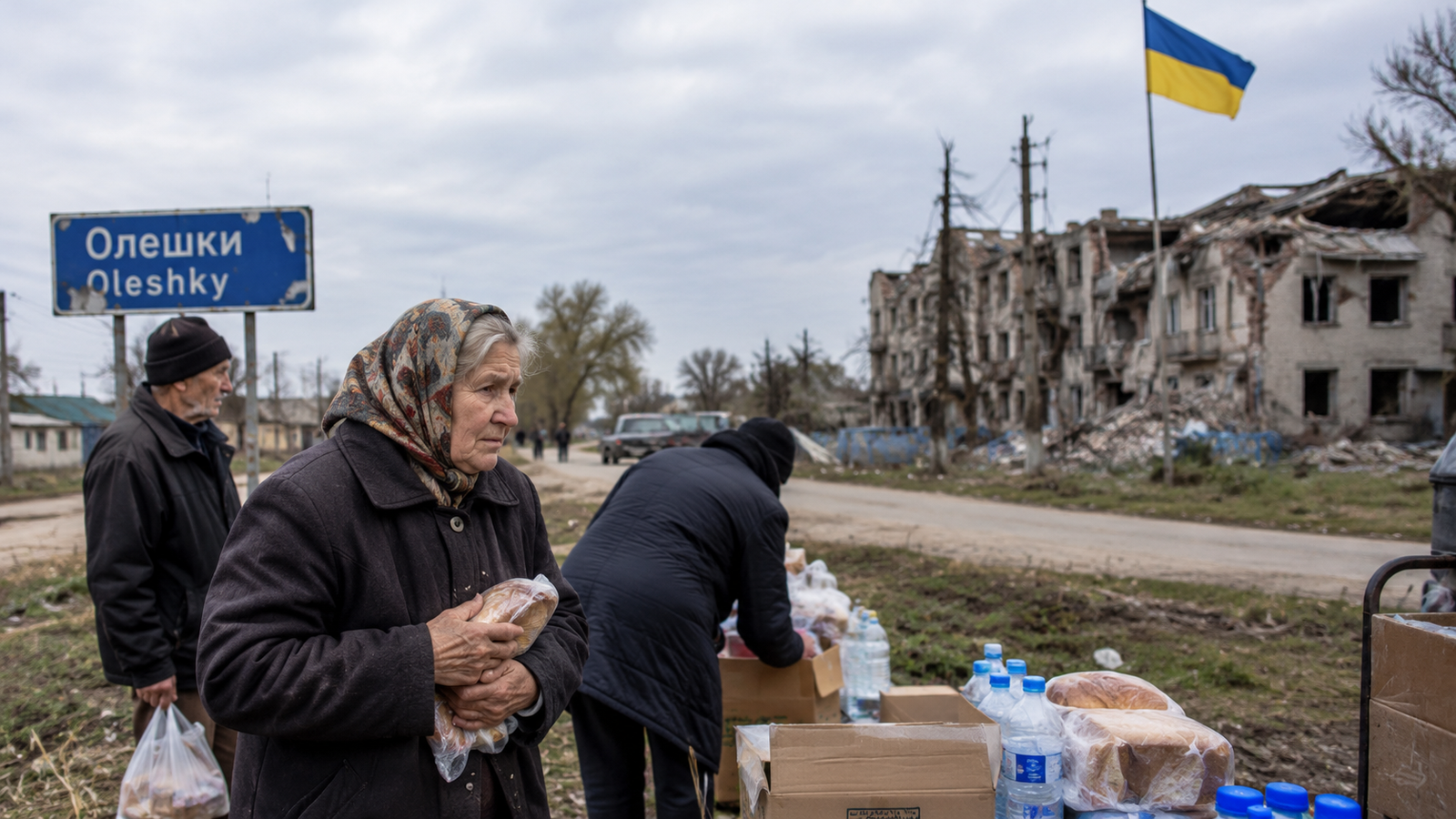
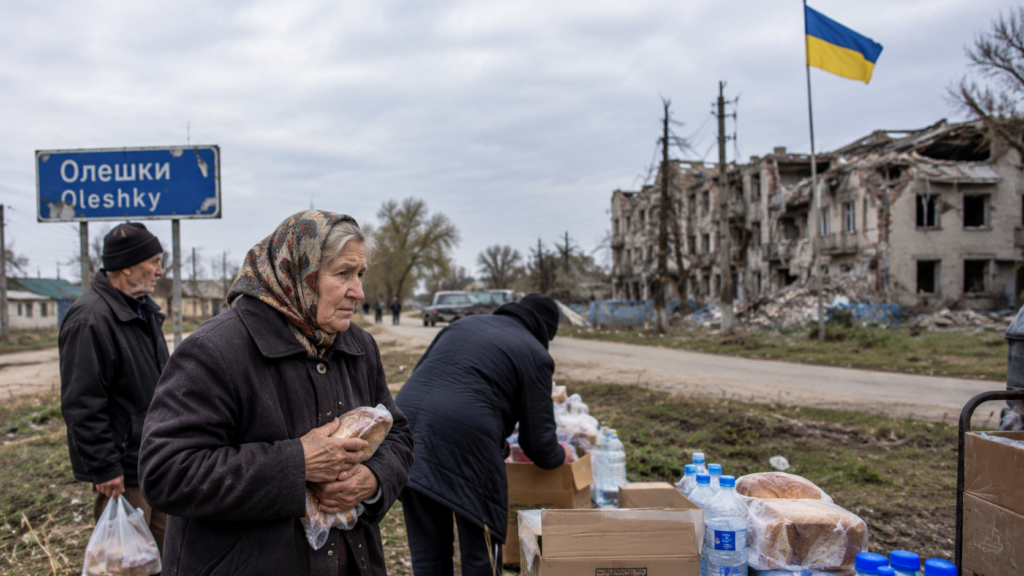
A temporary ceasefire has taken effect in the Russian-occupied Ukrainian city of Oleshky, raising hopes that humanitarian aid can reach civilians struggling to survive amid shortages of food, clean water and medicine.
The agreement, which began on October 27, 2026, is intended to create conditions for humanitarian assistance and the possible evacuation of residents trapped in the southern Kherson region. The arrangement involves both Russia and Ukraine and was facilitated by US First Lady Melania Trump.
The development comes after months of growing concern about conditions in Oleshky, where residents have reportedly faced extreme hunger and dangerous attempts to escape. Some people have even turned to cooking wild plants and garden weeds because ordinary food supplies have become increasingly difficult to obtain.
According to reports from international news organizations, the ceasefire offers a limited opportunity to deliver essential supplies and prepare safer routes for civilians. However, uncertainty remains over how smoothly the operation will proceed and whether residents will be able to leave without facing further danger.
Oleshky lies across the Dnipro River from the Ukrainian-controlled regional capital of Kherson. Russian forces captured the city during the early stages of their full-scale invasion of Ukraine in February 2022.
Before the war, approximately 24,000 people lived in the city. Recent estimates suggest that only around 1,700 to 2,000 residents remain, including children and older people who have struggled to leave the occupied area.
The humanitarian situation has deteriorated as access to basic services and supplies has become increasingly restricted. Residents have reportedly faced prolonged interruptions to electricity, gas and running water, while shops and other essential services have become unavailable.
Food shortages have become particularly serious. Accounts from people connected to the city describe residents searching for anything edible, including plants growing in gardens. Such reports illustrate the extent of the difficulties facing civilians who cannot reliably obtain regular meals.
Medical care is another major concern. People who require treatment may struggle to access medicines, while the lack of reliable transport makes reaching medical facilities difficult. These challenges are especially dangerous for elderly residents, children and people living with injuries or other urgent medical needs.
The situation has also been complicated by the destruction and disruption caused by the wider war. The 2023 destruction of the Kakhovka Dam caused devastating flooding across parts of the region, adding to the damage and displacement already affecting communities near the Dnipro River.
The temporary truce is designed to provide a limited period during which humanitarian operations can be organized around Oleshky.
According to the White House announcement, Melania Trump worked with Russian and Ukrainian representatives to establish an agreement intended to suspend military activity in the designated area and prepare a humanitarian operation.
The plan includes assessing residents’ needs, delivering essential assistance and arranging transportation for civilians who wish to leave. The proposed operation is expected to involve civilian representatives from both countries.
Ukrainian human rights commissioner Dmytro Lubinets has also confirmed that Ukraine is observing the ceasefire arrangements. Russian officials have separately announced a halt to firing toward Kherson in preparation for the humanitarian operation.
The agreement is significant because previous attempts to provide assistance or organize safe departures have faced serious obstacles. Continued fighting, explosive hazards and the risk of drone attacks have made movement through the surrounding area dangerous.
Nevertheless, the start of the ceasefire does not automatically mean that all residents can immediately receive supplies or evacuate. Humanitarian teams must still establish safe access, coordinate movements and address the security risks along potential routes.
For people living in Oleshky, leaving the city has become a dangerous decision.
Roads around the area have reportedly been mined, while military activity and drone threats have increased the risks associated with civilian movement. These conditions have made it difficult for residents to reach safer locations independently.
Even if evacuation routes become available, the process will require careful coordination. Humanitarian workers must be able to identify safe passageways, organize transportation and help residents who may have limited mobility or urgent medical needs.
There are also concerns about what could happen after people leave their homes. Some residents reportedly fear being prevented from returning to Ukrainian-controlled territory or facing scrutiny because of their communications and perceived political loyalties.
These concerns highlight the importance of ensuring that any evacuation remains voluntary and that civilians can make informed decisions about their destinations.
The Reuters report on the Oleshky ceasefire provides further details about the agreement and the continuing humanitarian challenges. The report also notes that fighting and attacks have continued in other parts of Ukraine despite the localized truce.

The ceasefire has drawn international attention partly because of Melania Trump’s involvement in facilitating discussions between Russian and Ukrainian representatives.
The White House said she helped establish communication between the two sides and coordinate arrangements intended to make humanitarian assistance and civilian evacuation possible.
Her involvement has focused on the specific situation in Oleshky rather than a comprehensive agreement to end the war. The arrangement is therefore limited in geographical scope and does not represent a broader ceasefire across Ukraine.
The humanitarian initiative also reflects the difficulty of securing even temporary cooperation between the two countries while military operations continue elsewhere.
For residents in Oleshky, the immediate priority is not the wider diplomatic debate but access to food, clean water, medical supplies and a safe way to leave the city if they choose.
Whether the agreement can deliver those outcomes will depend on the cooperation of the parties involved and the ability of humanitarian teams to operate without renewed violence.
Although the truce has created a temporary pause around Oleshky, the broader conflict remains active.
Russian attacks have continued to affect Ukrainian cities and infrastructure, with reports of casualties and damage in Kyiv and other locations. Ukrainian drone operations have also continued to cause casualties in Russian territory.
These developments demonstrate the limited nature of the Oleshky agreement. A localized ceasefire can create an opportunity for emergency assistance without stopping the wider conflict or eliminating the dangers faced by civilians in other front-line communities.
International efforts to revive broader peace negotiations are continuing, but major disagreements remain over security arrangements, territory and the conditions required for a lasting settlement.
The United Nations’ discussion of the humanitarian situation in Oleshky has highlighted the serious risks facing civilians in the occupied city, including shortages of food and medical supplies and the dangers associated with landmines and drone attacks.
Humanitarian organizations and international officials have repeatedly emphasized the need for safe access to affected communities and protection for civilians caught in the fighting.
The immediate test for the ceasefire will be whether humanitarian teams can reach the city, deliver essential supplies and establish safe arrangements for people who want to leave.
Residents need reliable information about evacuation procedures, available transportation and the destinations they can choose. Medical assistance will also be essential for people who are injured, elderly or unable to travel without support.
The operation faces considerable challenges. Poor communications can make it difficult to confirm developments on the ground, while mistrust between the opposing sides could complicate coordination. Any renewed fighting could put civilians and humanitarian personnel at further risk.
For families who have endured months or years of insecurity, even a temporary pause offers a possibility of relief. However, the true impact of the agreement will depend on whether it produces practical results rather than remaining a diplomatic announcement.
The crisis in Oleshky illustrates the severe consequences of prolonged conflict for civilians who remain in occupied and front-line areas. Access to basic necessities can become a daily struggle, and even leaving home may involve life-threatening risks.
As the humanitarian operation moves forward, the priority will be to ensure that food, water, medicine and safe passage reach those who need them most. The ceasefire may provide a narrow window for assistance, but residents will need sustained protection and reliable support long after the temporary pause ends.
For more latest news, breaking updates, and in-depth coverage from around the world, visit PeakHoursNews.