 11
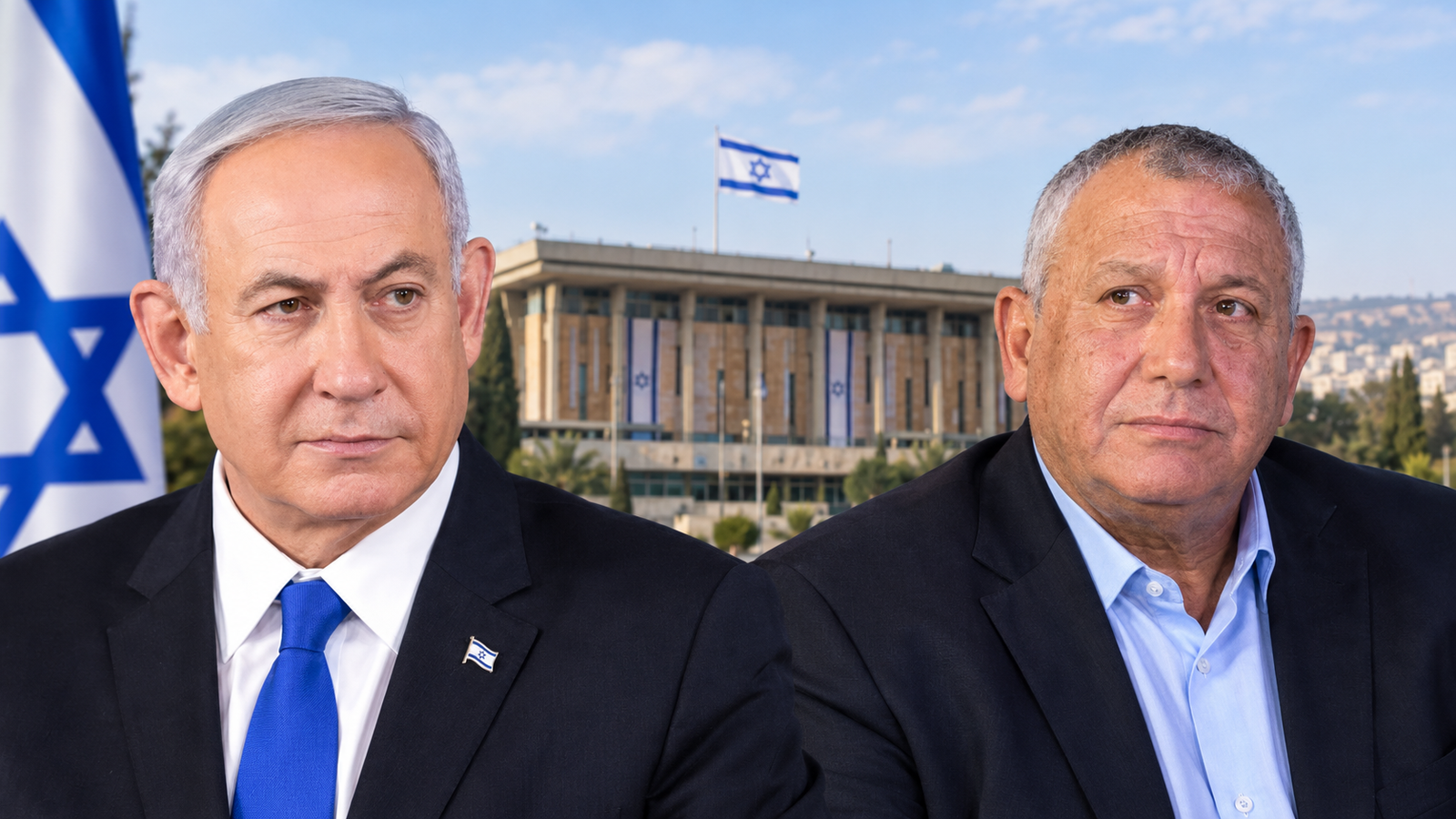
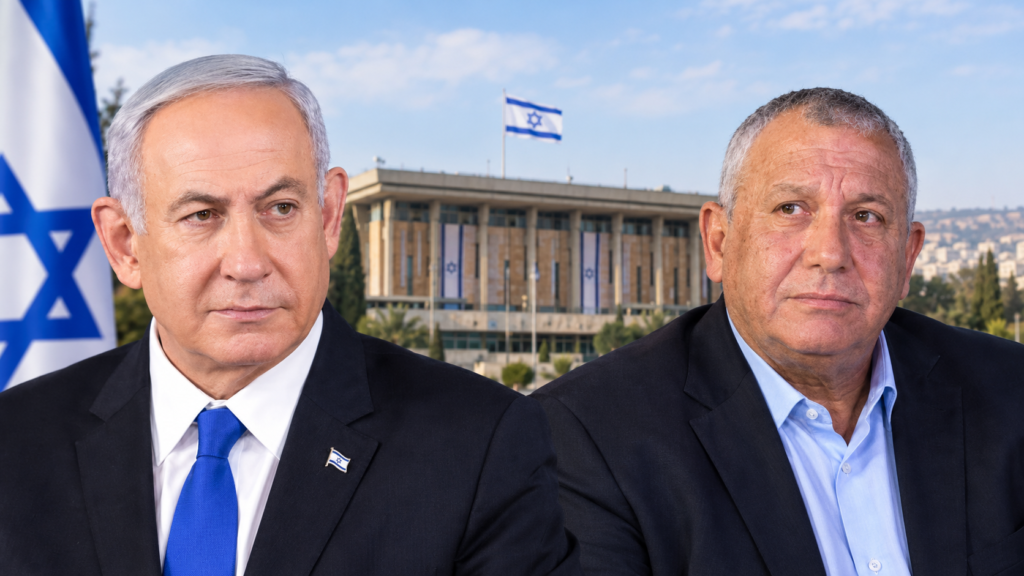
Israelis are voting in a general election that many see as one of the most consequential in the country’s history. Polls published on Friday show Prime Minister Benjamin Netanyahu running almost level with former military chief Gadi Eisenkot in the contest to lead the next government.
The Israel election 2026 has drawn widespread attention as Benjamin Netanyahu and Gadi Eisenkot compete in a closely contested race amid security concerns and political uncertainty. Neither side is projected to reach the 61 seats needed for a majority in the Knesset, so weeks or even months of coalition bargaining could follow. Because of Israel’s proportional representation system, every government in its history has been a coalition. The process has often produced surprising alliances, and this election looks especially close, with several parties already publicly setting limits on who they will work with. You can read more about how the parliament works on the Knesset’s official website, and for more reports like this one, visit Peak Hours News.
Security has dominated the campaign. The opposition has repeatedly attacked Netanyahu over the failures that allowed the Hamas-led attacks of 7 October, in which nearly 1,200 people were killed and 251 were taken to Gaza as hostages. Opposition parties want an independent commission of inquiry. Netanyahu has long resisted the idea, arguing that such a body would be biased against him. He has instead presented himself once more as “Mr Security”, pointing to what he describes as strategic wins in Israel’s wars across the region and to his close ties with US President Donald Trump.
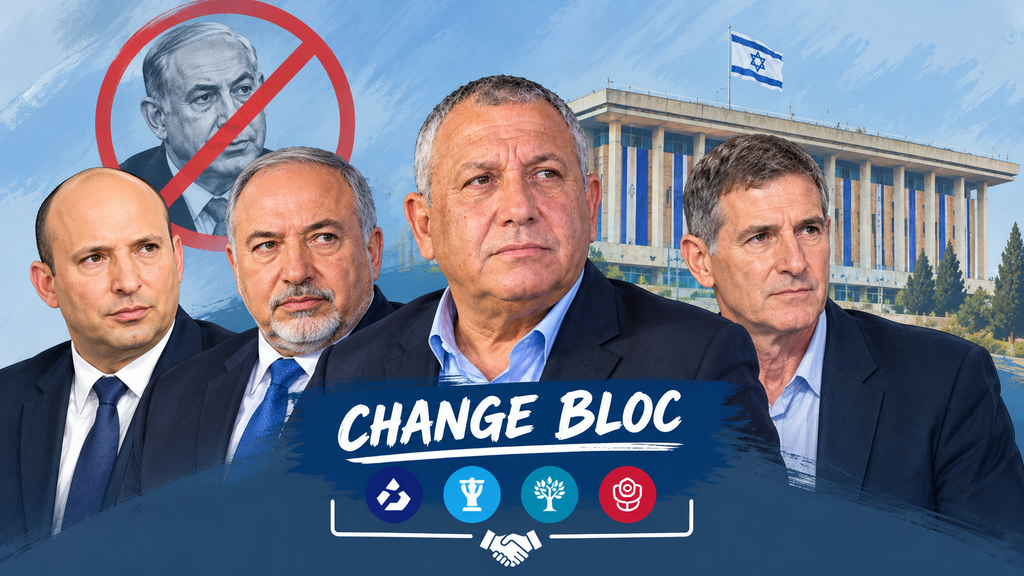
Eisenkot leads the newly formed Yashar Party and is the central figure in a “change bloc” of parties that disagree on many issues but share the aim of removing Netanyahu. The bloc also includes former prime minister Naftali Bennett and Avigdor Lieberman, both right-wingers with hardline views on security, as well as Yair Golan, a left-leaning former general.
Netanyahu, who first became prime minister in 1996, would need to rebuild his alliance with the far-right and ultra-Orthodox parties in his current coalition, which is the most right-wing in Israel’s history. Itamar Ben Gvir and Bezalel Smotrich, who lead separate far-right parties, have been prominent voices in his government.
Two Arab party blocs are also running. Around one-fifth of Israel’s population is Arab, and many describe themselves as Palestinian citizens of Israel. In theory these parties could decide who governs, but all but one of the leading Jewish parties have ruled out cooperating with them. Some commentators have suggested Arab parties might informally support a minority government led by Eisenkot, though Lieberman, a likely partner, has said he would not take part in such an arrangement.
The opposition also argues that democracy is under threat. Netanyahu is on trial on corruption charges, which he denies, and he is still pursuing controversial changes to the judicial system that sparked mass protests before the 7 October attacks.
In the final days of the campaign, Israel’s Channel 12 reported that Netanyahu had pushed for last-minute military action that could lead to a confrontation with Iran before the vote, and that his own military chief, Eyal Zamir, opposed it. CNN then reported that he had also tried to persuade Trump to approve fresh strikes on Iran, but that Trump refused. Netanyahu denied both reports. He also drew attention by posting an AI-generated image of a nuclear bomb striking Tel Aviv, saying he alone could protect Israel if Iran obtained nuclear weapons. Eisenkot called him “hysterical”.
Military conscription has been another major issue. Netanyahu’s government has not enforced a Supreme Court ruling that ultra-Orthodox men in full-time religious study must be drafted, a deeply divisive matter at a time when thousands of other Israelis have been called up to fight in recent wars. Two ultra-Orthodox parties in his coalition have backed protests against conscription.
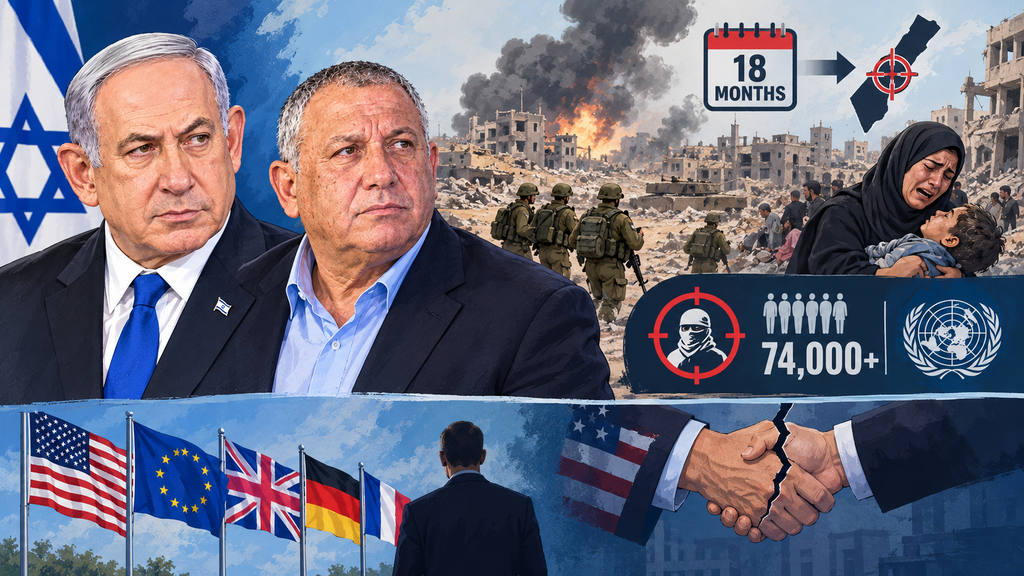
On Gaza, Eisenkot’s position is broadly similar to Netanyahu’s. He has promised to end Hamas rule in the territory within 18 months, through a US-led peace plan or, if needed, through military force. Israel has continued to strike Gaza almost daily since a ceasefire was agreed last year, saying it targets Hamas operatives. According to Gaza’s Hamas-run health ministry, whose figures the UN considers reliable, Israeli forces have killed more than 74,000 people since the war began. Israel has faced growing international criticism over its conduct, and its relations with allies have worsened.
Eisenkot largely backs Israeli settlements in the occupied West Bank, which are illegal under international law, but says he would act against extremist settlers, whose attacks are at record levels according to UN figures. He has also spoken of creating conditions for “autonomy or a state-minus” for Palestinians, under ultimate Israeli security control. The two-state solution, meaning an independent Palestinian state living peacefully alongside Israel, has almost vanished from mainstream Israeli politics.
Turnout appears to be high. About 70,000 Israelis are reported to have flown home from abroad to vote, and half a million people are casting a ballot for the first time. Israeli broadcasters will publish exit polls at 22:00 local time (20:00 GMT) on Tuesday, though these can differ significantly from the final outcome. Likud will gather in Jerusalem to follow the results, while Eisenkot’s Yashar, formed only last year, will do so in Tel Aviv.
Hundreds of thousands of soldiers and reservists are also voting, but many of their ballots will not be counted until Wednesday. That could give a late boost to right-wing parties, which are thought to have strong support among military voters.
The race is often described as a head-to-head between Netanyahu and Eisenkot, but another leader could end up as prime minister if they withhold their party’s backing for a coalition unless given the top job. Many fear the worst outcome would be deadlock, with no bloc able to command a majority and no minority government possible. In that case, new elections would be called and Netanyahu would stay on as interim prime minister. Between 2019 and 2022, Israel held five elections as its parties repeatedly failed to cooperate.