 11
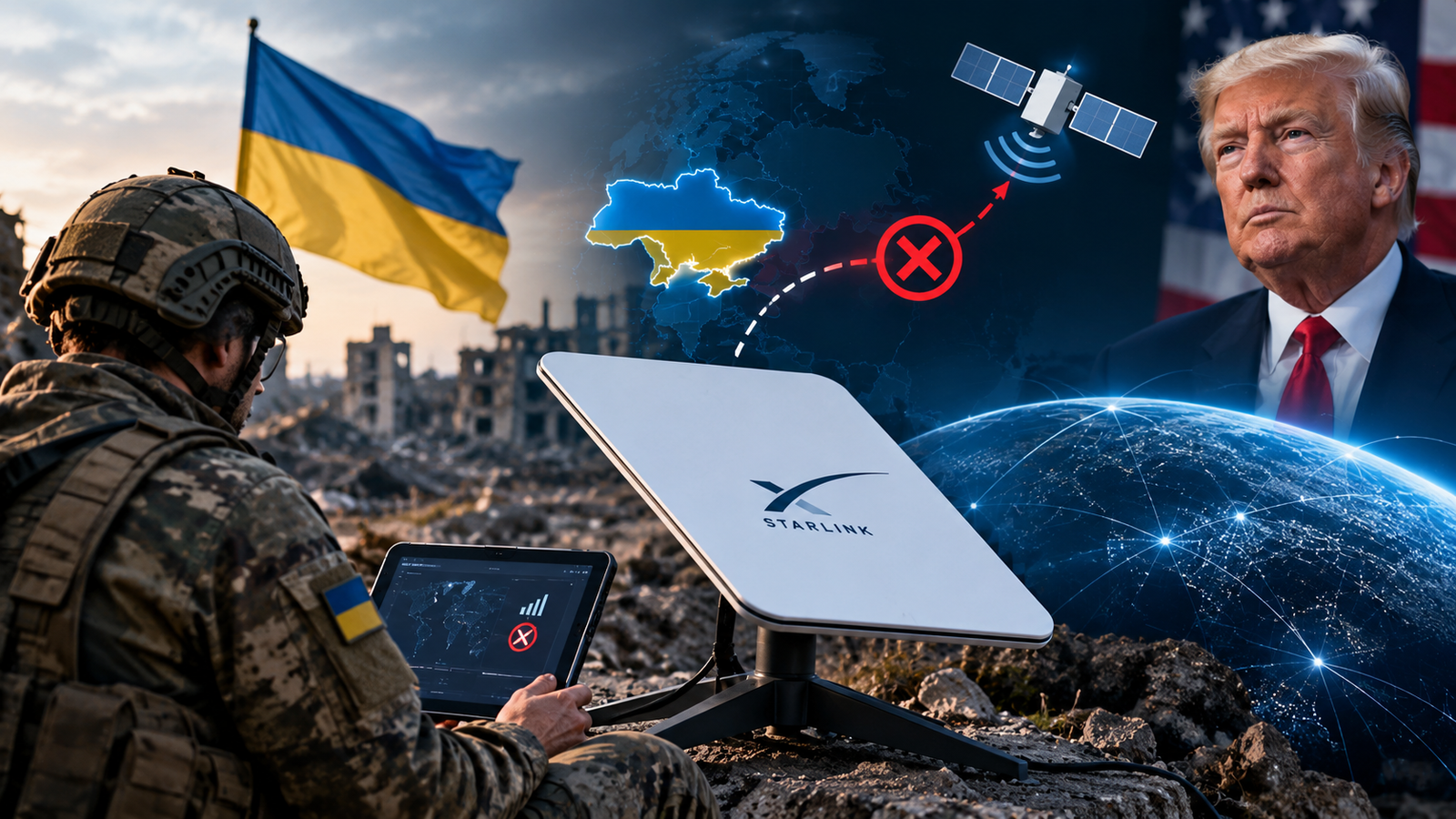
Ukraine is continuing to experience problems with its Starlink satellite communications network, according to sources within the country’s defence ministry, despite US President Donald Trump saying that restrictions on the service had been lifted.
The reported disruption has raised concerns about Ukraine’s ability to coordinate military operations and operate drones that depend on satellite connectivity. Ukrainian defence sources told the BBC that connection losses were still being recorded when drones travelled at speeds of approximately 100 miles per hour (161 kilometres per hour).
Trump said on Thursday that Elon Musk, the billionaire behind SpaceX, had restored the service. However, Ukrainian officials indicated that they had not received confirmation that all restrictions had been removed.
The disagreement leaves questions about the network’s current performance and whether Ukrainian military units can rely on uninterrupted connectivity during operations.
According to reporting by Associated Press, Ukrainian officials continued to report restrictions after Trump announced that service had returned to full speed.
Trump’s comments followed reports that restrictions on satellite connectivity had affected Ukrainian military operations.
When asked about reports that he had contacted Musk to discuss restoring access, Trump declined to clarify whether such a conversation had taken place. He nevertheless said that Musk had put the service back.
The president had previously denied directing Musk or SpaceX to restrict Ukraine’s access to the network.
Musk had also disputed responsibility for the restrictions, pointing to the distinction between Starlink, a commercial satellite internet service, and Starshield, its military-oriented counterpart.
These differing statements have made it difficult to establish precisely who authorised the restrictions and which technical measures were implemented.
A report by Reuters on the Starshield restrictions cited US and Western officials who said an order to limit the military-grade service had originated inside the White House. The officials did not identify the individual responsible, and a senior US official denied that Trump had personally requested the restriction.
The White House has denied deliberately imposing limits on Ukraine’s connectivity.
Starlink has become an important communications tool for Ukraine since Russia launched its full-scale invasion in February 2022.
The satellite network can provide internet connectivity in areas where conventional infrastructure has been damaged, destroyed or become unreliable. This capability is particularly important near the front lines, where ground-based communications can be difficult to maintain.
Ukrainian military units use satellite connectivity for a range of activities, including communication between personnel, coordination of operations and the transmission of information from drones.
The network also supports defensive capabilities. Drone operators can use connected systems to monitor areas, relay information and respond to threats. Any interruption may complicate these activities, particularly when equipment is moving quickly.
Starshield is a separate, military-grade service designed for government and defence applications. Although it is related to Starlink technology, the two services should not be treated as identical.
The distinction matters because public statements about restrictions have referred to both networks, while questions remain about the exact scope of the disruption.
For Ukraine, maintaining reliable communications is important not only for offensive operations but also for protecting troops, coordinating logistics and responding to Russian attacks.

One of the central concerns involves the reported speed restrictions affecting satellite terminals used by Ukrainian forces.
Ukrainian officials previously said that some terminals lost connectivity when drones travelled faster than approximately 100 miles per hour. The reported threshold created difficulties for certain missions that required high-speed movement.
According to Reuters’ reporting on the disruption, Ukrainian officials said the limitations had disrupted combat drone missions and forced some units to cancel operations.
Such restrictions can have practical consequences. A drone that loses its connection may become harder to control, while operators can face difficulties receiving information or coordinating activity in real time.
The impact may be especially significant for interceptor drones designed to engage incoming aerial threats. If a system cannot maintain a stable connection at the required speed, operators may have fewer options for responding to fast-moving targets.
However, the precise effects depend on the equipment, mission and network configuration involved. Not every drone operation necessarily experiences the same limitations.
Ukraine’s latest statements suggest that officials are still assessing whether the network is operating under normal conditions.
Ukrainian defence ministry sources said the military was monitoring the performance of both Starlink and Starshield.
They also indicated that there was no confirmation that all the reported restrictions had been lifted.
The uncertainty is significant because an announcement that service has been restored does not necessarily establish that every affected terminal or military application is operating normally.
Ukrainian President Volodymyr Zelensky had also said that connectivity had not been fully restored before Trump made his latest comments.
The Ukrainian government has sought clarification from US officials about the network’s status. Resolving the issue would help military planners understand which communications capabilities remain available and whether alternative arrangements are needed.
For now, the available statements point to a gap between Trump’s public assurance and the Ukrainian military’s reported experience.
The reported disruption has developed alongside wider disagreements between Washington and Kyiv over the war and Ukraine’s military strategy.
Musk previously argued that Starshield is owned and controlled by the US government, meaning decisions about its speed limits and usage ultimately rest with the US military and the president.
That position differs from the suggestion that SpaceX independently controls the restrictions affecting Ukraine.
Meanwhile, the Trump administration has denied deliberately ordering the limitations. Reporting by Reuters has described conflicting accounts from officials about how the decision was made.
These competing explanations have left important questions unanswered, including who authorised the restrictions, whether the measures affected both networks and what conditions are now in place.
Establishing responsibility will require clearer information from the parties involved rather than relying solely on public statements.
The issue also highlights the challenges countries face when military operations depend on communications infrastructure operated by private technology companies or supplied through foreign government arrangements.
Ukraine’s immediate concern is whether its military can depend on stable satellite connectivity during operations.
If the reported restrictions have been fully removed, military units will still need to assess network performance and confirm that the affected equipment works as expected. If limitations remain, commanders may have to adjust certain operations or rely on alternative communications methods where available.
The situation also raises broader questions about the reliability of commercial satellite services during an armed conflict. Satellite internet can provide valuable connectivity, but access may depend on technical controls, service policies and decisions made outside the country using the network.
For Ukraine, the outcome could affect how military units coordinate drones, exchange information and respond to aerial threats.
As of the latest reported statements, Ukrainian officials had not confirmed that all restrictions were gone, despite Trump’s claim that Musk had restored the service. Further clarification from Ukraine, SpaceX and US officials will be needed to establish whether normal operating conditions have returned.
PeakHoursNews will continue to follow developments in Ukraine and the wider implications for international security and military technology.