 11
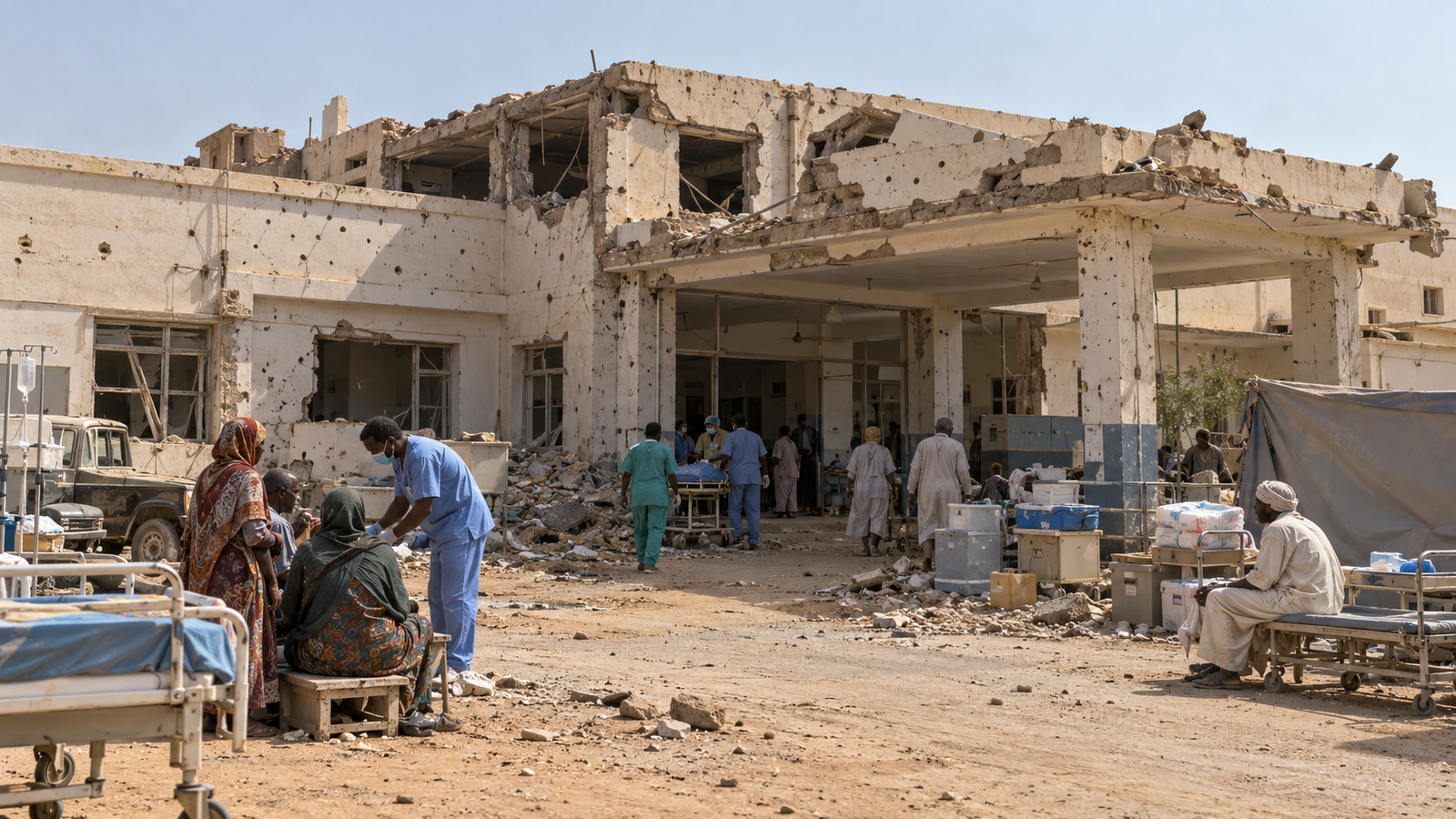
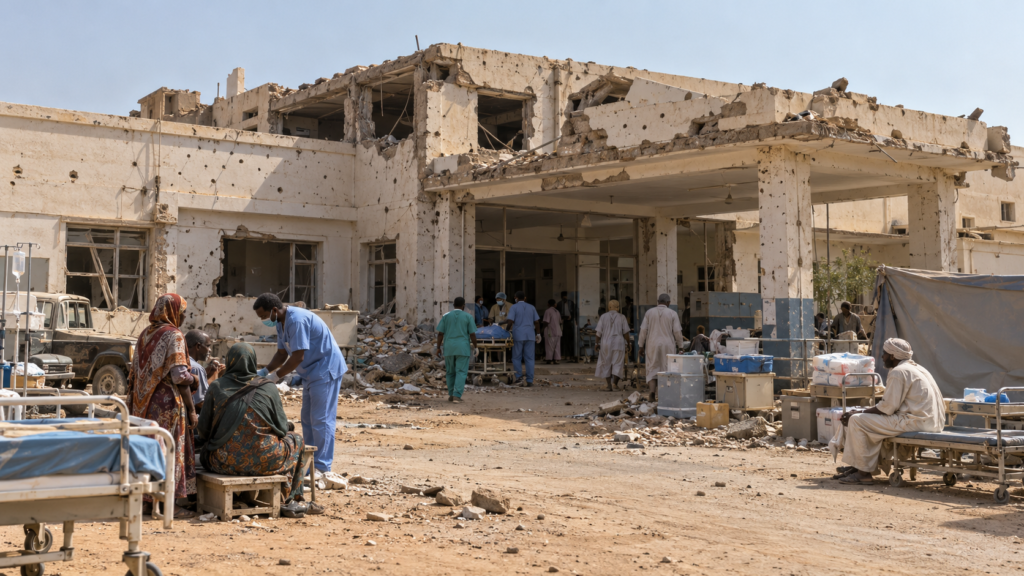
Hospitals in Sudan’s war-torn city of el-Fasher have faced repeated attacks, leaving doctors struggling to treat patients as fighting intensified. A BBC investigation has documented dozens of attacks on healthcare facilities in the city, raising serious questions about the safety of civilians and the protection of medical workers during the conflict. Sudan hospital attacks have raised serious concerns about civilian safety, the destruction of medical facilities and the risks faced by healthcare workers during the ongoing conflict.
The BBC investigation into attacks on hospitals in el-Fasher examined evidence of attacks during the siege and the eventual takeover of the city by Sudan’s paramilitary Rapid Support Forces (RSF). The findings point to the severe damage inflicted on medical services, while the RSF has rejected the allegations against its fighters.
According to the investigation, at least 43 attacks on hospitals and other healthcare locations were recorded between May 2024 and October 2025. Some facilities were hit repeatedly, while others were forced to close or move their services to different locations. As the fighting continued, residents found it increasingly difficult to access emergency treatment.
The United Nations has also raised concerns about the situation. UN human rights chief Volker Türk described the findings as deeply disturbing. He said information collected by his office was consistent with evidence that RSF fighters repeatedly attacked major hospitals and makeshift medical facilities in el-Fasher. The damage left thousands of civilians with fewer options for medical care.
Medical workers were among those who suffered during the conflict. BBC data covering April 2023 to October 2025 indicated that 120 healthcare workers were injured, 55 were killed and 10 were forcibly disappeared or abducted. These figures reflect the risks faced by doctors, nurses and other staff trying to provide treatment in an increasingly dangerous environment.
Sudan’s civil war began in April 2023, when fighting broke out between the RSF and the Sudanese Armed Forces (SAF). The conflict has displaced millions of people and damaged essential services across the country. El-Fasher, the capital of North Darfur, became a major focus of the fighting as the RSF tightened its siege before taking control of the city in October 2025.
The impact of the war extends well beyond hospitals. Families have been displaced, basic supplies have become harder to obtain, and many people have struggled to find safe places to live. Readers can follow related developments through our latest world news coverage.
Healthcare in el-Fasher was already under pressure before the city fell. The Teaching Hospital, one of the main medical facilities, stopped operating normally as fighting affected the area. Medical services were transferred to South Hospital, where staff continued treating patients despite shortages of supplies and interruptions to electricity.
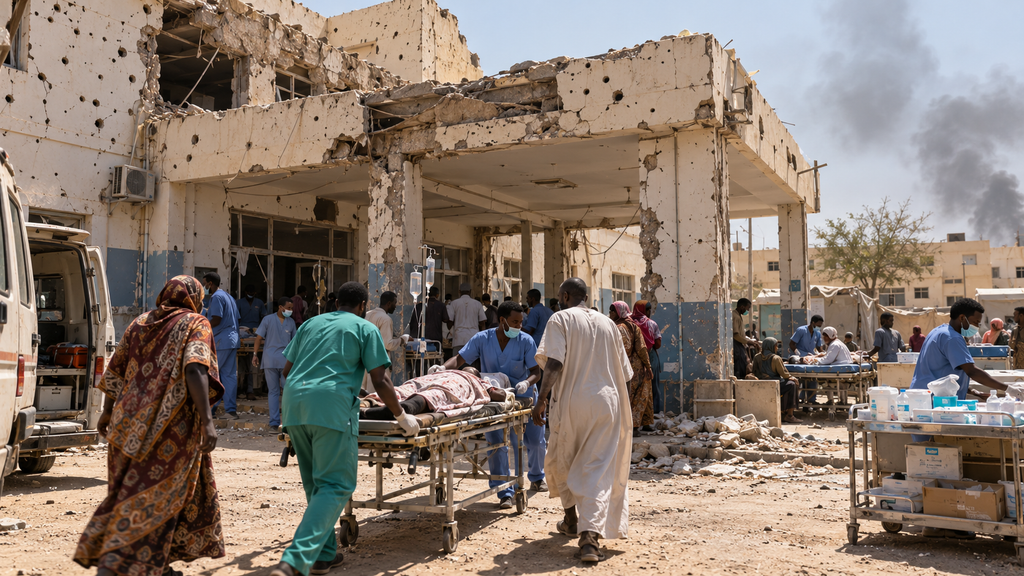
Conditions became more dangerous in late May and early June 2024, as RSF fighters advanced towards the city and South Hospital came under repeated shelling. Surgeon Dr Muhamed Suliman, who worked in el-Fasher during the siege, told the BBC that the hospital was overcrowded because it was the only functioning facility in the city providing surgical services. He said medical teams treated 16 injured patients on the day of one attack.
The situation worsened on 8 June 2024, when RSF fighters entered South Hospital. Pharmaceutical specialist Dr Mustafa Ahmed said medical staff were taken by surprise, forcing many to escape through the rear of the building. Hospital director Dr Izzeldin Ahmed Dawaud Asow told the BBC that fighters confronted and assaulted him, using ethnic slurs. He survived after losing consciousness and being mistaken for dead.
Following the incident, surgical equipment was reportedly destroyed and several patients were found dead. South Hospital subsequently closed. The RSF has denied allegations of a massacre connected to the incident.
The group has argued that South Hospital was being used for military purposes. Dr Alaa Eldin Nugud, a surgeon who joined the RSF-backed civilian administration as health minister, told the BBC that missile launchers had been positioned on the hospital grounds. He also presented material that he said supported claims of military activity near healthcare facilities.
Doctors disputed the claims concerning the Teaching Hospital, saying it had not been incorporated into a military base. The BBC reported that it found no independent evidence supporting Nugud’s claims, while the regional government in Darfur rejected them. Under international humanitarian law, hospitals and medical personnel generally receive special protection. That protection can be affected if a medical facility is used for acts harmful to an opposing force, subject to specific legal requirements and safeguards.
After South Hospital closed, staff and remaining equipment were moved to Saudi Maternity Hospital in western el-Fasher. The facility also came under repeated attacks. Doctors interviewed by the BBC described shelling and drone strikes, with some reporting that the hospital was hit as many as 25 times in a single day.
Other healthcare services were affected too. The Specialised Children’s Hospital closed and relocated, but replacement sites were subsequently shelled and forced to shut. The main dialysis centre was also attacked, including after it moved to another location. These disruptions left patients with fewer options for emergency surgery, maternity care and treatment for long-term illnesses.
Medical charity Médecins Sans Frontières (MSF) expressed concern about the failure of the warring parties to adequately protect healthcare facilities. The organisation said it could not establish whether hospitals were being deliberately targeted, but warned that the parties were not doing enough to prevent attacks from affecting medical services.
By October 2025, when the RSF captured el-Fasher, Saudi Hospital was reportedly the only functioning healthcare facility left in the city. Medical staff continued trying to treat patients despite the risks. According to accounts collected by the BBC, they used sandbags and underground shelters made from steel containers to protect patients and create alternative treatment areas.
Dr Asow said a makeshift operating theatre was attacked five times during 2025. He also described incidents in which drones allegedly followed people transporting injured patients. On 15 March 2025, he said a drone struck near a temporary ward, killing nine people. On 17 August, a drone reportedly hit a donkey cart carrying patients after ambulances had been destroyed. According to the account, two patients and the driver were killed, along with the animal. These details are based on the doctor’s testimony and remain reported allegations.
The RSF’s health minister disputed the doctors’ accounts, arguing that some medical workers were aligned with the Sudanese military and its local allies. The group has also denied allegations of a massacre at Saudi Hospital on 25 October 2025. More than 460 patients and their companions were reportedly killed during the assault, according to allegations cited in the investigation. The World Health Organization condemned the reported killings, while satellite imagery appeared to show clusters of bodies on the hospital grounds.
The consequences of these attacks go beyond damaged buildings. When hospitals close, people with serious injuries may be unable to receive urgent surgery. Pregnant women face additional risks, while patients who depend on regular treatment can be left without essential care. Damage to facilities also disrupts medical supply chains and makes it harder for healthcare workers to respond to other emergencies.
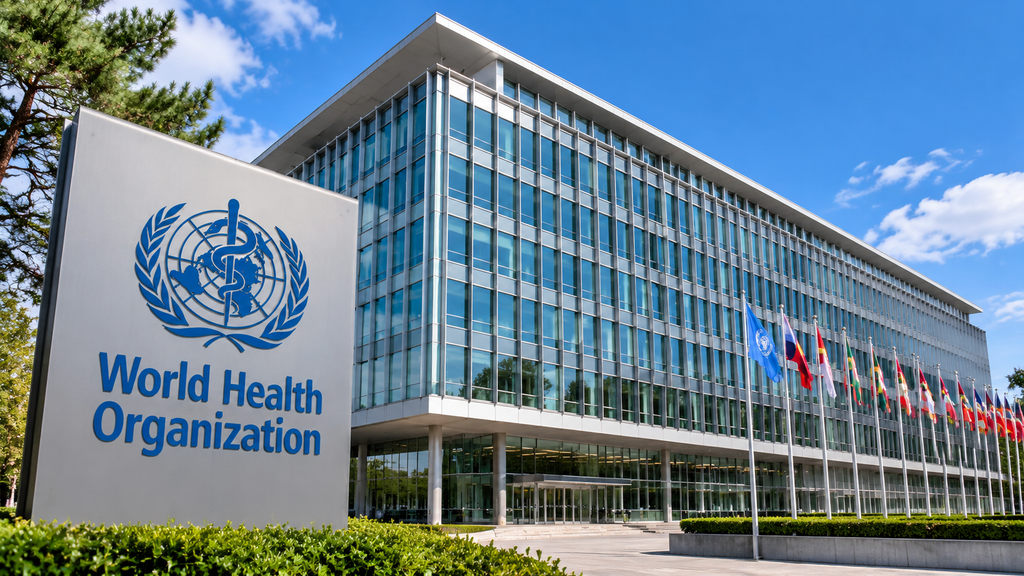
The World Health Organization has highlighted the devastating impact of the conflict on healthcare in Sudan. In March 2026, it also condemned an attack on al-Daein Hospital in eastern Darfur that killed dozens of people and forced the facility to close. Sudan’s military was believed to have carried out the drone strikes but denied responsibility, reflecting the wider pattern of disputed allegations surrounding attacks on medical facilities.
Healthcare in el-Fasher is now being managed by the RSF-backed administration. The authorities have released videos showing the Saudi Hospital and Teaching Hospital reopened and treating some patients. Nugud has also said South Hospital is expected to reopen. He denied that medical workers had been forcibly abducted, claiming some had remained in the city to provide services.
However, the accounts of medical workers describe a difficult and uncertain situation. Dr Al-Haj Mohamed Ahmed told the BBC that he had no choice but to remain. Other healthcare workers said they were captured while attempting to leave the city and later returned to work. Their experiences raise further questions about the safety and freedom of medical staff.
The investigation has added to calls for accountability over the treatment of civilians and the destruction of essential services during Sudan’s war. The RSF disputes the allegations, and responsibility for individual incidents requires careful investigation. However, the reported attacks and the resulting collapse of healthcare services underline the importance of protecting hospitals, patients and medical workers under international humanitarian law.
The effects of the siege continue to shape life in el-Fasher. With healthcare facilities damaged or disrupted, residents face significant barriers to treatment and recovery. Restoring medical services and establishing the facts behind reported violations remain important challenges as Sudan’s wider conflict continues.