 11
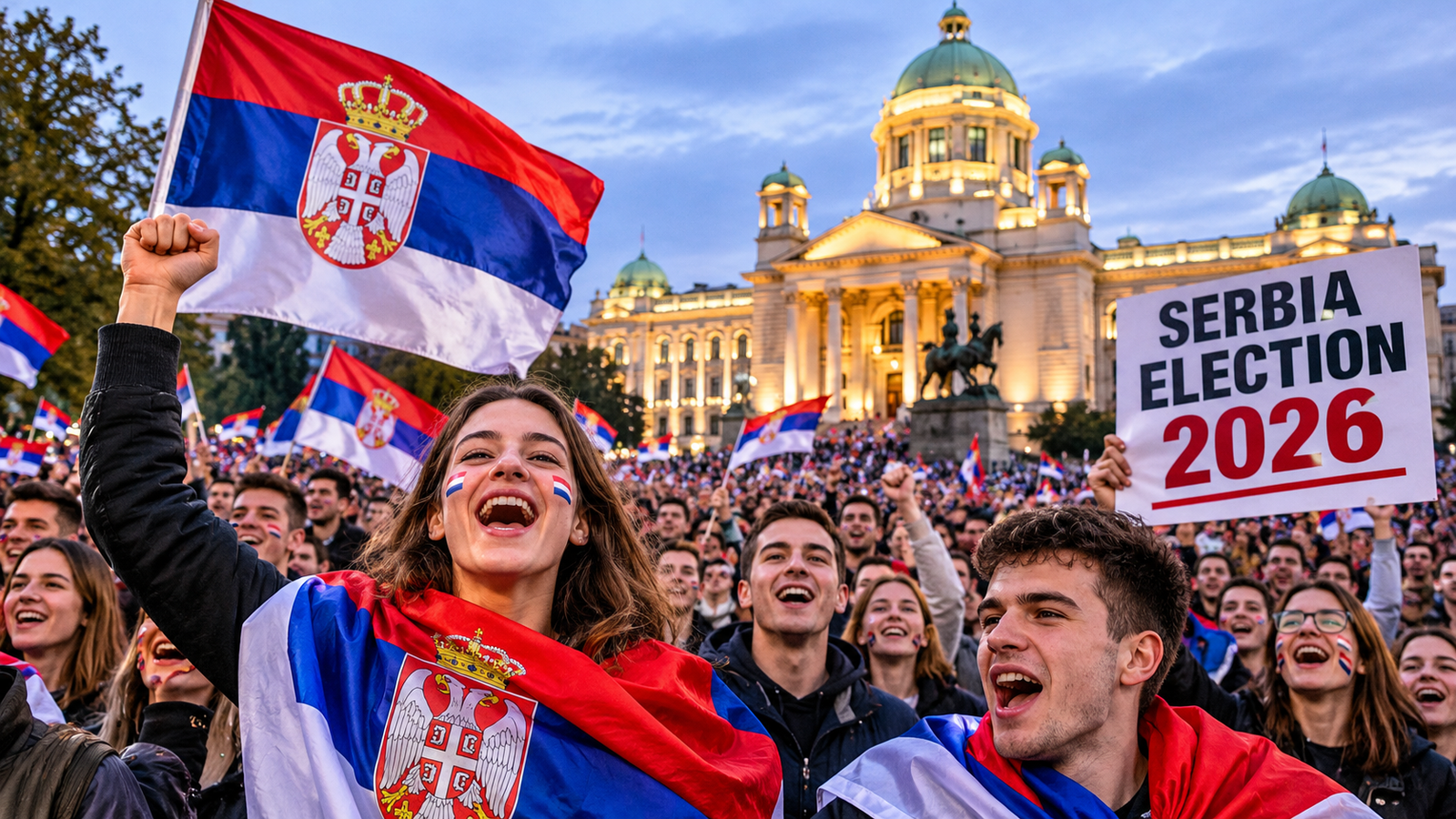
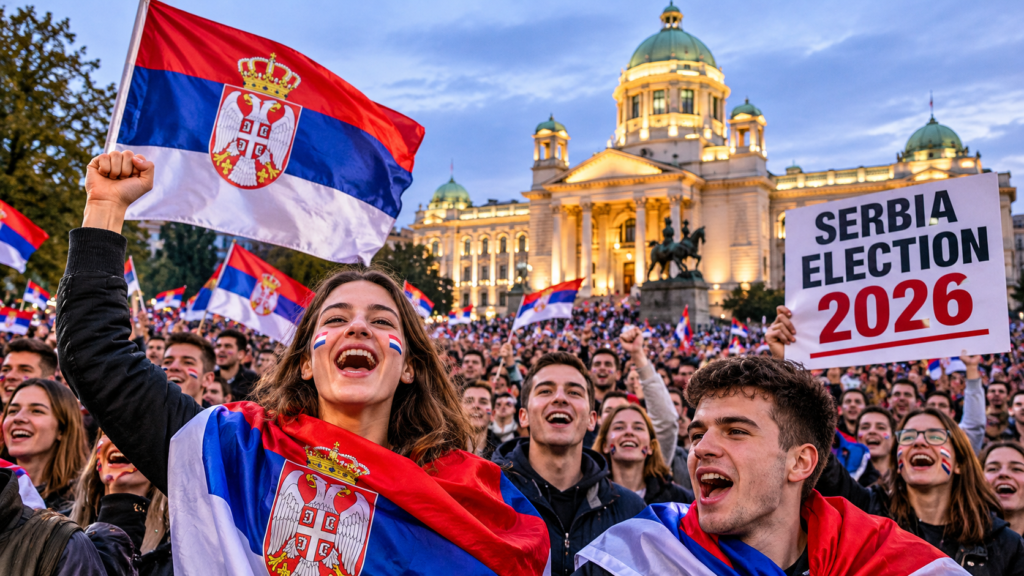
Serbia Election 2026 Serbia is entering a new political chapter after a student-backed movement secured a major victory in the country’s October 25, 2026 parliamentary election. The result represents a significant shift in the country’s political landscape and raises important questions about the future of its government, democratic institutions, and international relationships.
The Student List, which emerged from a nationwide student-led protest movement, defeated the electoral alliance led by longtime political leader Aleksandar Vucic. The result followed months of demonstrations focused on corruption, government accountability, and institutional reform.
According to preliminary results published by Serbia’s Republic Electoral Commission, the Student List received 52.71% of counted votes, equivalent to 140 parliamentary seats at that stage. Subsequent projections put its parliamentary representation at 141 seats in the 250-member National Assembly. The SNS-led electoral alliance received approximately 39% of the vote.
The result has attracted international attention because it marks a major development for a country that has experienced years of political debate over government accountability and democratic institutions.
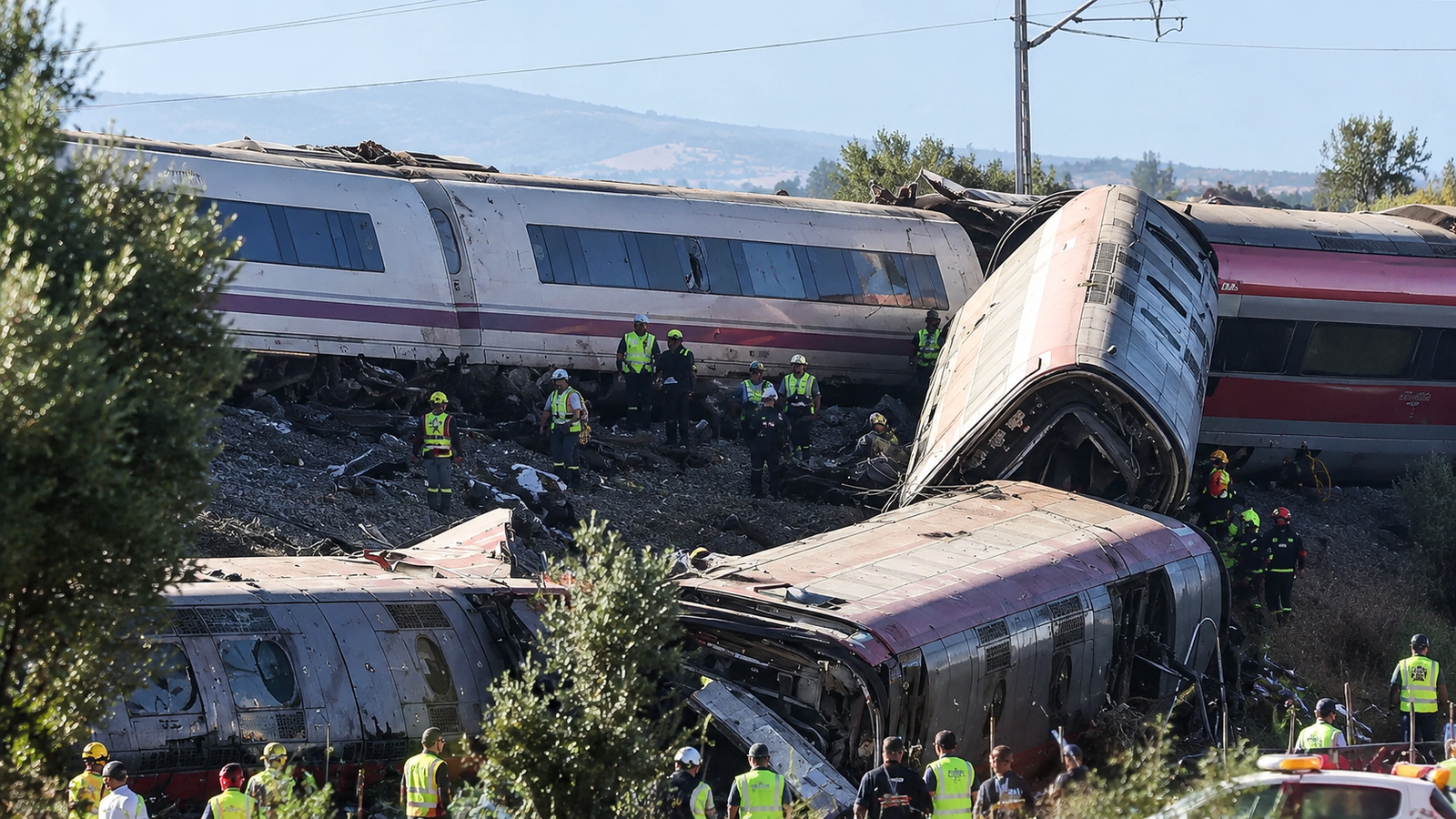
The rise of the student movement was closely connected to public anger following the Novi Sad railway station disaster in November 2024. A concrete canopy collapsed at the station on November 1, killing 16 people.
The tragedy raised serious questions about construction standards, public safety, and the supervision of major infrastructure projects. Students began organising demonstrations and demanding transparency about the circumstances surrounding the disaster.
The protests gradually developed into a wider movement calling for accountability, stronger institutions, and action against corruption.
What initially began as a response to a specific tragedy became a broader political campaign. University students, teachers, workers, and other citizens joined demonstrations across Serbia.
The movement also gained attention for its organisation and ability to maintain public participation over an extended period. Instead of limiting its activities to protests, student representatives eventually entered the electoral process through the Student List.
The victory demonstrated how a protest movement could develop into a significant electoral force.
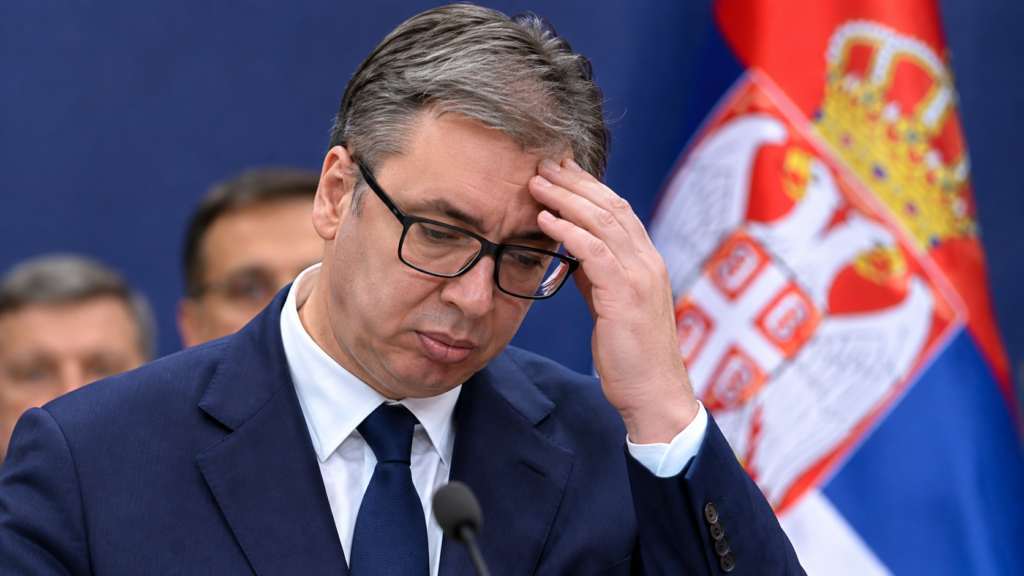
The election result represents a significant setback for Aleksandar Vucic and the Serbian Progressive Party (SNS), which had maintained a dominant position in Serbian politics for approximately 14 years.
Vucic acknowledged the defeat after the election results became clear. His political alliance received considerably fewer votes than the student-backed list.
For years, Vucic had been one of the most influential figures in Serbia’s political system. His leadership shaped the country’s domestic policies, foreign relations, and approach to European integration.
The election has now created a different parliamentary balance.
However, the result does not mean that every political and administrative institution will immediately change. The new parliamentary majority will need to establish its governing arrangements, identify leadership, and develop policies that address the demands raised during the election campaign.
For more international political developments, readers can follow PeakHoursNews, which covers important developments in world affairs and international politics.
Corruption and institutional accountability were among the most important issues behind the student movement’s rise.
The Novi Sad railway station disaster became a major focus of public concern because citizens wanted answers about the renovation project, construction standards, and the responsibilities of the officials and contractors involved.
According to Reuters’ reporting on the railway disaster, the tragedy triggered nationwide protests that eventually developed into a major political movement.
Prosecutors have indicted 13 people in connection with the collapse. However, legal proceedings have faced delays, and the accused have denied wrongdoing.
The student movement used the issue to highlight wider concerns about transparency, the independence of public institutions, and the need for stronger oversight of government projects.
Its campaign also raised questions about judicial independence, police accountability, and media freedom.
The new parliamentary majority will face pressure to turn these demands into practical reforms. Investigations must follow legal procedures, while institutional changes will require time, planning, and public confidence.
Winning an election is only the first step towards governing a country.
The student-backed movement must now establish a functioning political structure and decide how it will manage the country’s major domestic and international challenges.
According to the Associated Press report on the student movement’s victory, forming a government could take time because of the political and administrative challenges involved.
One of the biggest questions concerns the movement’s leadership structure. Its student-driven and relatively decentralised organisation helped it attract public support, but governing requires clearly defined responsibilities and effective coordination.
The new political leadership will also need to decide which reforms should receive immediate attention.
Anti-corruption investigations, judicial reforms, public-sector accountability, and improvements in institutional transparency are likely to remain important issues.
The movement will also face expectations from voters who want visible progress rather than promises alone.
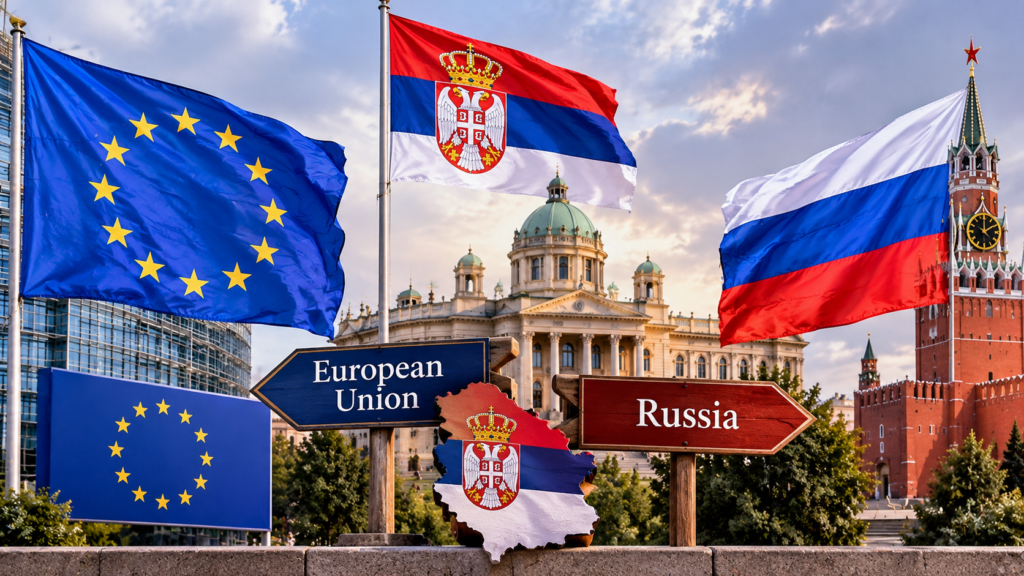
Serbia’s foreign policy will be another important issue during the political transition.
The country has maintained relationships with both the European Union and Russia while balancing its economic, diplomatic, and security interests.
European integration remains an important part of Serbia’s long-term political and economic discussions. However, progress towards EU membership involves requirements relating to democratic institutions, the rule of law, and foreign policy alignment.
The new parliamentary majority may create opportunities for renewed discussions about Serbia’s relationship with European institutions.
At the same time, relations with Russia and the unresolved Kosovo issue will continue to present diplomatic challenges.
The student movement focused primarily on domestic reforms during its campaign, leaving several foreign policy questions open.
For more information about Serbia’s political and international developments, readers can also consult the UK House of Commons Library’s background on Serbia and the 2026 election.
The political developments coincided with the second anniversary of the Novi Sad railway station disaster.
On November 1, 2026, thousands of people gathered in Novi Sad to remember the 16 people who lost their lives when the station canopy collapsed.
Participants brought flowers, candles, and wreaths to honour the victims. Memorial activities also included moments of silence to remember those who died.
The anniversary carried particular significance because the disaster helped trigger the student movement that later achieved its electoral victory.
According to Associated Press coverage of the second anniversary, students and supporters gathered to remember the victims and renew calls for accountability.
The tragedy remains an important issue in Serbia’s public debate. Families of the victims and other citizens continue to seek answers about the circumstances surrounding the collapse and the progress of legal proceedings.
The Serbia election 2026 could mark the beginning of a significant political transition.
The student-backed movement has demonstrated that public demands for accountability and institutional reform can develop into substantial electoral support.
However, the country’s challenges will not disappear simply because the parliamentary balance has changed.
The new leadership will need to address corruption concerns, strengthen public institutions, maintain economic stability, and respond to the expectations of voters.
It will also need to manage Serbia’s international relationships while determining its future approach to European integration and regional diplomacy.
For younger generations, the election represents an important moment in political participation. Students who initially organised demonstrations have now become central figures in the country’s political debate.
Whether this electoral victory produces lasting institutional reforms will depend on the decisions taken in the coming months.
Serbia’s political transition is still developing, and its next steps will attract attention across Europe and beyond.