 11
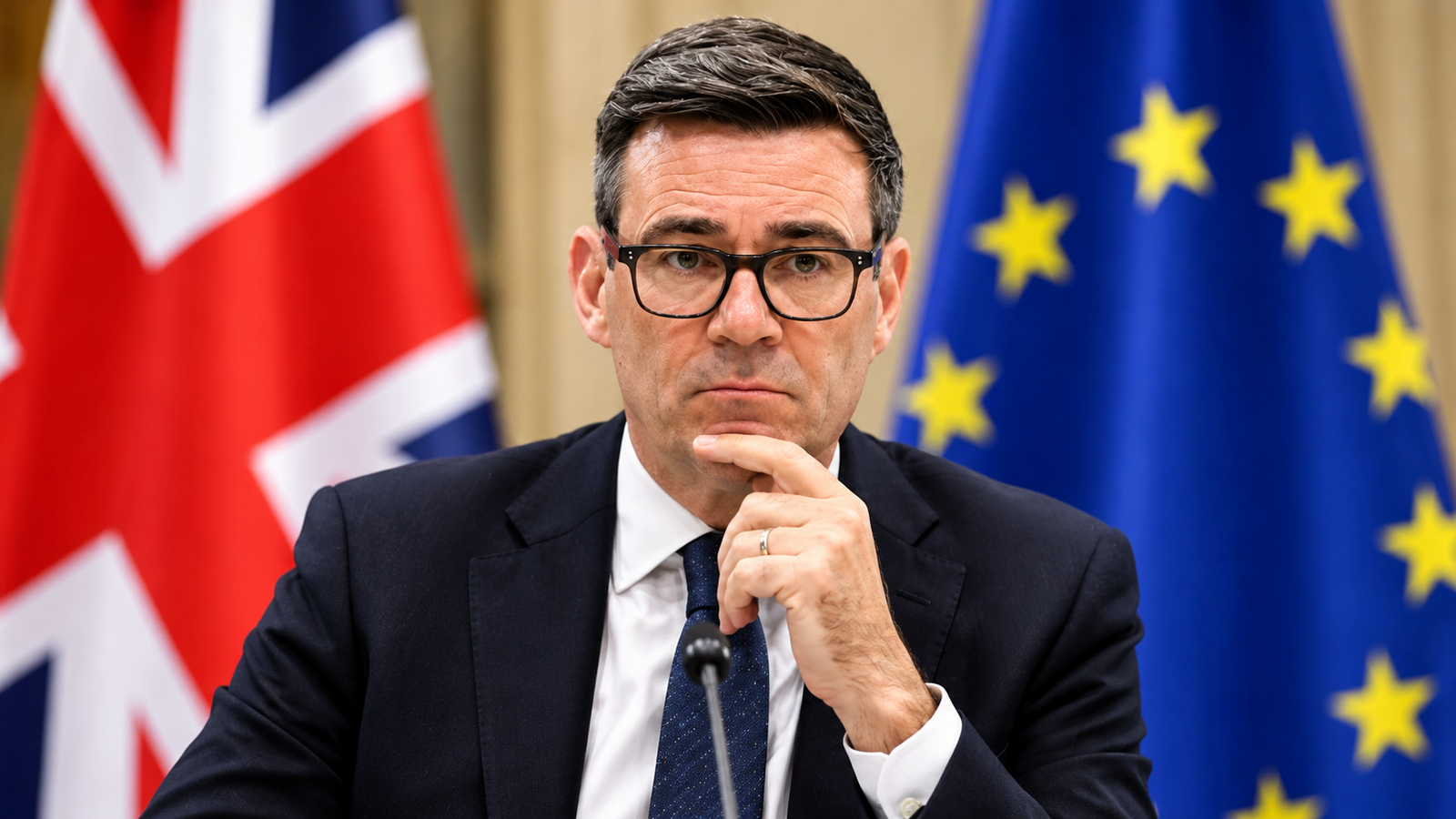
The British prime minister is preparing to call for a closer relationship with the European Union, arguing that a hard Brexit created unnecessary barriers for businesses and failed to deliver the benefits promised during the 2016 referendum campaign.
The United Kingdom is preparing for another important discussion about its future relationship with Europe as Prime Minister Andy Burnham prepares to criticise the country’s post-Brexit arrangements. In a major speech scheduled for Monday evening, Burnham is expected to argue that Britain has lost more than it has gained since leaving the European Union.
His comments come ahead of a UK-EU summit in Brussels on Friday, November 20, where British and European leaders are expected to discuss new agreements covering food trade, energy cooperation and opportunities for young people.
According to a report by BBC News, Burnham believes the country experienced a needlessly difficult version of Brexit that created additional obstacles for businesses and failed to deliver some of the promises made during the referendum campaign.
The prime minister is expected to compare the Brexit settlement to the story of the emperor’s new clothes, suggesting that politicians have avoided acknowledging its weaknesses. He also wants Britain to adopt a more constructive approach towards its European neighbours.
The debate surrounding Brexit has remained an important issue in British politics since the country voted to leave the European Union in 2016.
The referendum produced a narrow victory for the Leave campaign, with approximately 52% of voters supporting departure and 48% choosing to remain. The UK formally left the European Union in January 2020, followed by the end of its transition period later that year.
Supporters of Brexit argued that leaving the bloc would give Britain greater control over immigration, laws, regulations and international trade agreements.
However, Burnham believes the final arrangement created more difficulties than expected. He is expected to argue that the previous Conservative government’s approach resulted in a harder Brexit than many voters originally anticipated.
His criticism focuses particularly on the economic consequences and the barriers that British companies now face when trading with European markets.
In his view, rebuilding relations with Brussels could help address some of these problems without immediately reversing the referendum result.
The comments represent a significant shift in the political conversation, particularly as Brexit has been a sensitive subject for successive British governments.
Trade has been one of the biggest areas of discussion since the UK’s departure from the European Union.
Before Brexit, British companies benefited from relatively straightforward access to the EU single market. Businesses could sell goods across member states under shared rules and arrangements that reduced many administrative requirements.
Following Brexit, exporters and importers had to adjust to additional customs procedures, regulatory requirements and border checks.
These changes have created particular challenges for industries that depend on regular cross-border shipments, including agriculture, food production and manufacturing.
Smaller businesses have faced additional administrative costs because they often have fewer resources to manage complex international trade requirements.
Food producers and agricultural exporters have also raised concerns about certification requirements and delays affecting shipments.
The government now hopes that closer cooperation with the EU could make trade easier and reduce some of these pressures.
According to Reuters, Britain and the European Union are considering arrangements that could reduce friction in food trade and improve cooperation in other areas.
For businesses that depend on European customers and suppliers, any agreement that simplifies trading procedures could provide practical benefits.
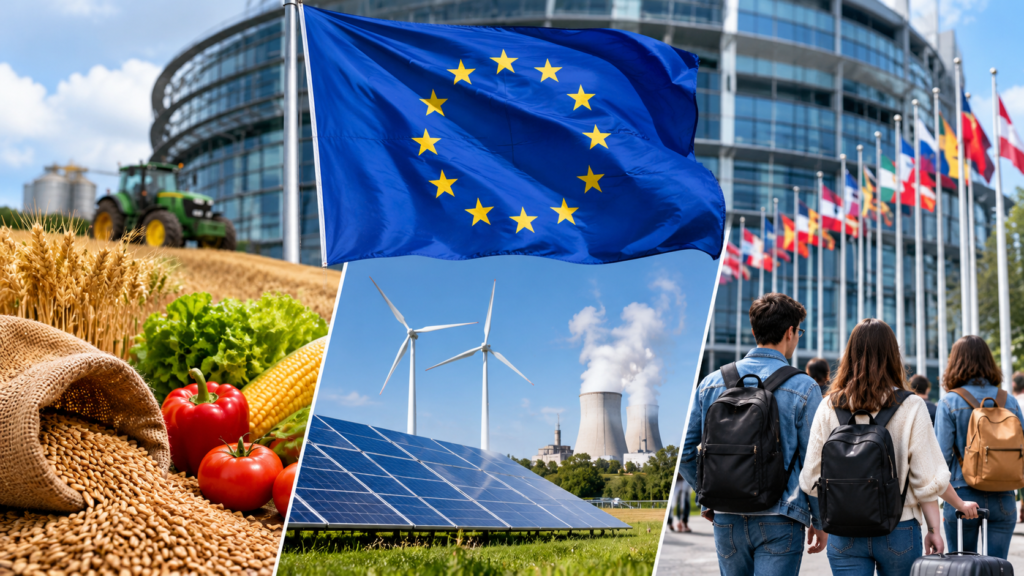
The upcoming meeting in Brussels is expected to focus on several areas where Britain and the European Union could find common ground.
Food and Agricultural Trade
Food and farming are expected to be among the main priorities.
The British government wants to reduce unnecessary checks and administrative requirements affecting agricultural products moving between the UK and EU markets.
This could benefit farmers, food manufacturers and exporters who rely on European customers.
Welsh agricultural businesses, including producers of lamb and seafood, are among the sectors that could benefit from improved trading arrangements.
Energy and Emissions Cooperation
Energy policy is another important subject expected to feature in discussions.
Britain and the EU are exploring closer cooperation on emissions trading, which could help align their respective carbon markets.
A closer relationship in this area could make it easier for businesses operating across both markets to manage environmental requirements.
It could also support wider efforts to reduce emissions while maintaining competitiveness in international markets.
Youth Mobility Opportunities
The third major area involves opportunities for young people to live, study and work across Britain and European countries.
A potential youth mobility agreement could create opportunities for younger people to gain international experience and develop professional skills.
However, the details remain under discussion, including eligibility, duration and the number of participants who could benefit.
These agreements would not automatically restore the freedom of movement that existed before Brexit.
Burnham has also introduced what he describes as the Makerfield test for evaluating future agreements with the European Union.
The principle is straightforward: any new arrangement must deliver visible improvements to people’s everyday lives.
Rather than focusing entirely on diplomatic achievements or political announcements, the government wants to demonstrate how closer cooperation could benefit ordinary households and local businesses.
This could include lower costs for consumers, better opportunities for exporters and improved access to international markets.
The prime minister is also expected to apply two additional conditions to any agreement.
First, it must remain consistent with Labour’s existing manifesto commitments. Second, it must improve upon the current Brexit arrangements.
These conditions are important because the government has previously ruled out returning to the EU single market, customs union or freedom of movement during its current political term.
Therefore, the upcoming summit is expected to focus on practical cooperation rather than immediate EU membership.
Burnham’s position is likely to face criticism from politicians who believe Britain should maintain its independence from European institutions.
Conservative politicians have questioned whether the government is focusing too heavily on rebuilding relations with Brussels while other domestic challenges remain unresolved.
Deputy Conservative leader Alex Burghart has argued that the government’s approach risks diverting attention from issues such as public spending, economic performance and defence funding.
Other Brexit supporters believe closer alignment with European rules could weaken Britain’s ability to establish independent policies and negotiate trade agreements with countries outside Europe.
Meanwhile, supporters of stronger EU relations argue that the economic benefits of cooperation should not be ignored.
The Liberal Democrats have previously called for a closer relationship, including greater access to European markets, while some politicians have argued that returning to the customs union would offer a more effective long-term solution.
This disagreement demonstrates that Brexit remains politically divisive, even several years after the UK’s formal departure.
Friday’s summit could represent an important step towards improving relations between Britain and the European Union.
However, expectations should remain realistic. Negotiating agreements on food, energy and youth mobility will require compromises from both sides.
European leaders may also seek guarantees that Britain will maintain any commitments made through future agreements.
For Burnham, the challenge will be demonstrating that closer cooperation can deliver measurable economic improvements without breaking existing political commitments.
The prime minister has indicated that he wants a broader discussion about Britain’s long-term relationship with Europe. However, major changes to the country’s position are unlikely to happen immediately.
The debate could become even more important ahead of the next general election, when political parties may be required to explain their long-term plans for Britain’s relationship with the EU.
For now, the focus remains on securing practical agreements that benefit businesses, workers and consumers.
The outcome of the Brussels summit could provide an early indication of whether Britain and the European Union can move beyond the disagreements of the Brexit years and establish a more productive partnership.
As the negotiations approach, one question will remain central: can Britain recover some of the economic opportunities it lost after Brexit while maintaining the independence it voted for in 2016?