 11
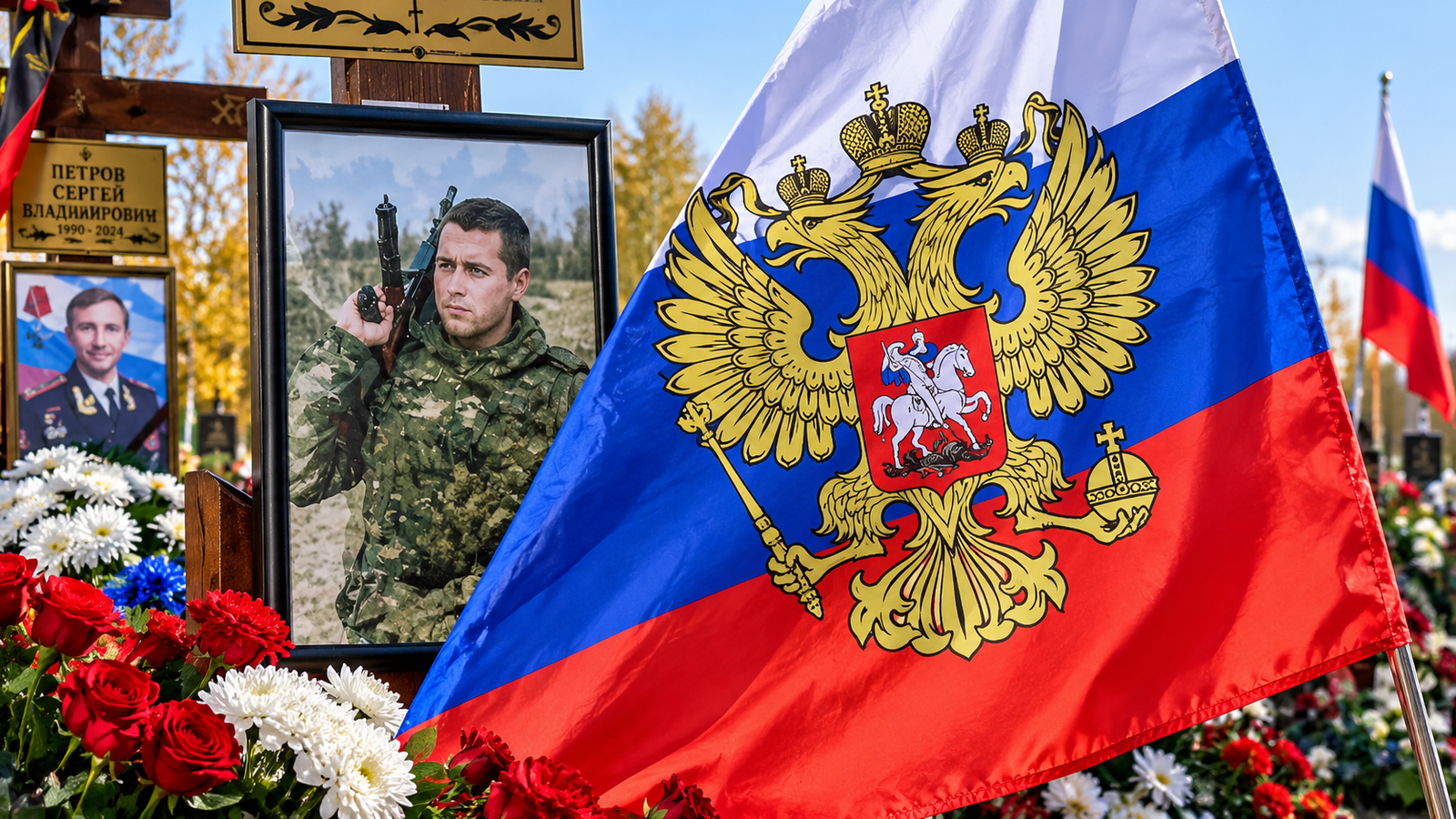
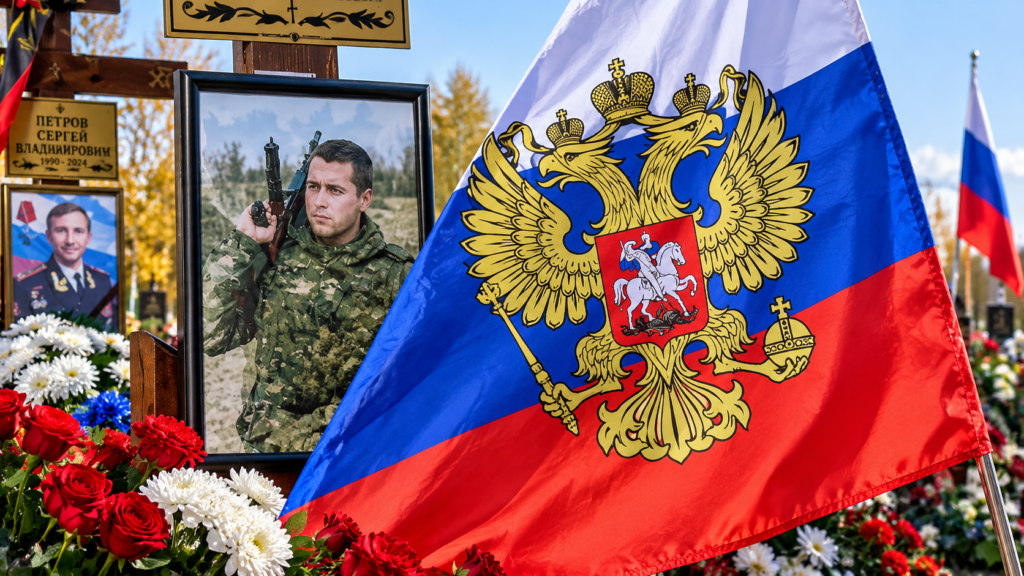
Russia’s war in Ukraine has resulted in an enormous loss of life, with newly analysed government records indicating that at least 490,334 Russian soldiers have died since the full-scale invasion began in February 2022. The findings offer one of the clearest pictures yet of the human cost of a conflict that has continued far longer than Moscow initially expected.
The figures were uncovered through an analysis of leaked records from Russia’s Federal State Statistics Service, known as Rosstat. BBC Russian examined more than 11 million death records covering the period from 2021 to September 2026. The investigation was conducted alongside independent Russian media outlet Mediazona.
The findings highlight the scale of military losses and raise further questions about the Russian government’s decision not to publish updated official casualty figures.
One of the most concerning findings concerns the number of young men dying in the conflict.
The BBC analysis found that approximately 65 per cent of Russian men aged between 18 and 24 who died in 2025 were killed in the war. Among men aged 25 to 34, the figure reached 59 per cent.
These findings demonstrate how deeply the conflict has affected younger generations in Russia. Military recruitment and continued fighting have placed significant pressure on men who would otherwise be building careers, supporting families and contributing to their communities.
The average age of Russian soldiers killed during the first year of the invasion was around 34. By 2025, that average had increased to approximately 40 in the leaked records.
The change reflects the growing participation of older recruits, including contract soldiers and prisoners who joined military operations as the conflict continued.
The investigation also revealed the devastating consequences of fighting in smaller Ukrainian communities.
According to the BBC, approximately 20,000 Russian soldiers died during battles to capture 10 Ukrainian villages. Before the invasion, these communities had a combined population of around 12,000 people.
One particularly striking example is Andriivka, a small village south of Bakhmut in the Donetsk region. The BBC analysis identified 1,122 Russian military deaths associated with the battle for the settlement.
Before the war, Andriivka had only 74 residents.
These figures illustrate the enormous human cost of territorial advances in eastern Ukraine. Even relatively small settlements have become the centre of prolonged military operations, with both sides facing intense fighting and destruction.
The battle for territory has also left many Ukrainian towns and villages severely damaged. Homes, public infrastructure and essential services have been affected by years of military activity.
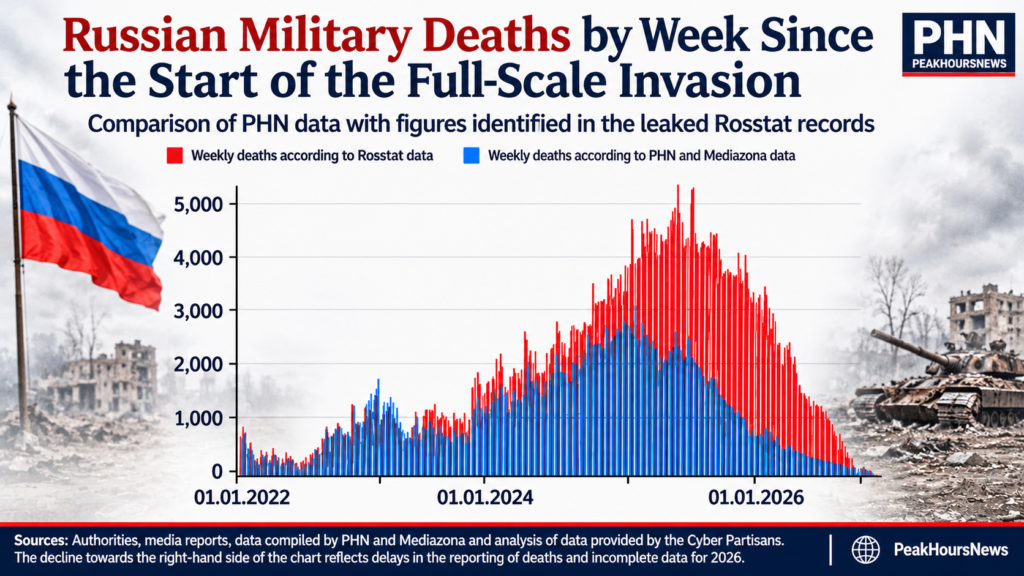
According to the BBC investigation, the leaked database contains information about the ages, places of residence and circumstances surrounding recorded deaths. Although the records do not identify individuals by name, they provide important details that researchers used to estimate the number of soldiers killed during the conflict.
BBC Russian compared the information with its own database of confirmed Russian military deaths. This database was compiled using publicly available information such as official announcements, social media posts, military memorials and burial records.
The comparison found matches for approximately 90 per cent of the relevant records. This strengthened confidence in the findings and provided additional evidence about the number of Russian soldiers who have lost their lives.
Russia has not released comprehensive public figures for its military deaths since the beginning of the full-scale invasion. The latest findings therefore provide an important alternative to the limited information available from official government announcements.
Original Source: BBC News – Russia’s Own Figures Show Almost 500,000 Deaths in War in Ukraine
Another important aspect of the investigation concerns the geographical distribution of Russian military deaths.
The analysis found that some of Russia’s poorest regions in eastern Siberia have experienced significantly higher losses relative to their populations.
Men from regions including Tyva, Buryatia and Zabaykalsky Krai were estimated to be between 20 and 25 times more likely to die in the war than residents of Moscow and St Petersburg.
This difference highlights the unequal distribution of the conflict’s human cost across Russia.
While major cities have remained relatively insulated from the visible effects of military losses, smaller and economically disadvantaged regions have faced a much heavier impact.
The findings also identified at least 5,017 foreign nationals among those who died fighting for Russia. These included 1,031 people from Uzbekistan and 720 from Tajikistan.
Researchers believe the actual number of foreign fighters could be higher because people holding dual nationality may be recorded as Russian citizens.
Although the figure of 490,334 is significant, researchers warn that it may not represent the full number of Russian military deaths.
The Rosstat database does not necessarily include every soldier who has died. Some deaths may remain unregistered, while others may be recorded months after the actual event.
The BBC also maintains its own detailed list of confirmed Russian military deaths. That independently documented figure stood at 290,012 at the time of the investigation.
Military experts estimate that this confirmed count could represent between 45 and 55 per cent of the actual death toll. Based on that assessment, the total number of Russian soldiers killed could potentially range between 527,295 and 644,471.
These estimates remain uncertain and should not be treated as a confirmed final figure.
The investigation also identified 2,304 North Korean soldiers killed during fighting connected to Ukraine’s 2024 incursion into Russia. These deaths were identified through satellite imagery and official photographs of a memorial in Pyongyang.
The latest findings underline how dramatically the Russia-Ukraine war has changed since February 2022. What Moscow initially expected to be a short military operation has developed into a prolonged conflict with consequences extending far beyond the battlefield.
Ukraine has also suffered significant military and civilian losses. However, reliable casualty figures from both sides remain difficult to establish independently.
For Russia, the leaked records provide an unusual insight into the scale of losses that have largely remained outside public discussion.
As fighting continues, the human and economic consequences are likely to remain a major challenge for both countries.
The investigation does not provide a complete account of every life lost in the conflict. However, it offers substantial evidence that the true cost of the war may be considerably higher than previously documented.
For more international news and developments, visit PeakHoursNews.