 11
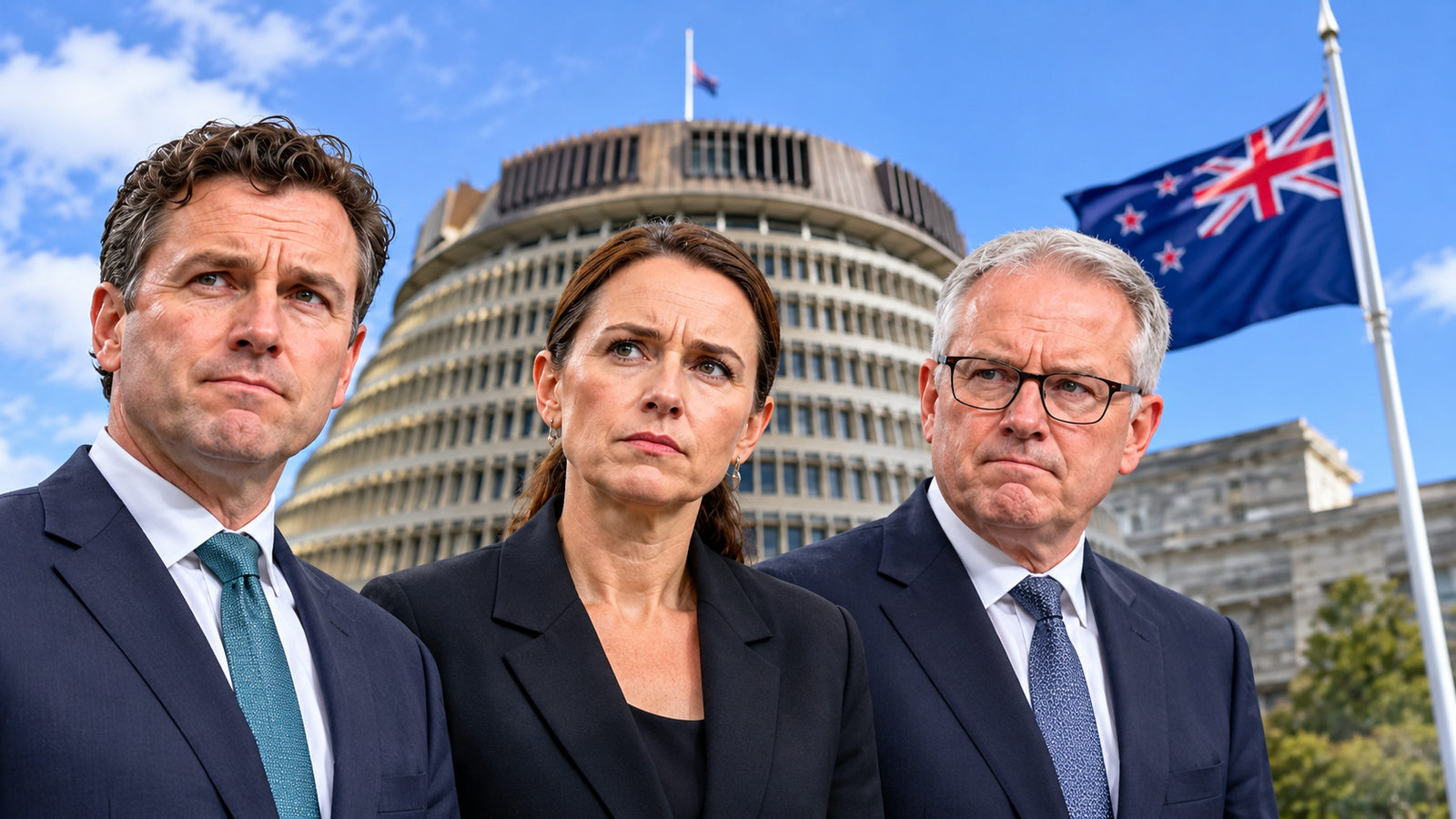
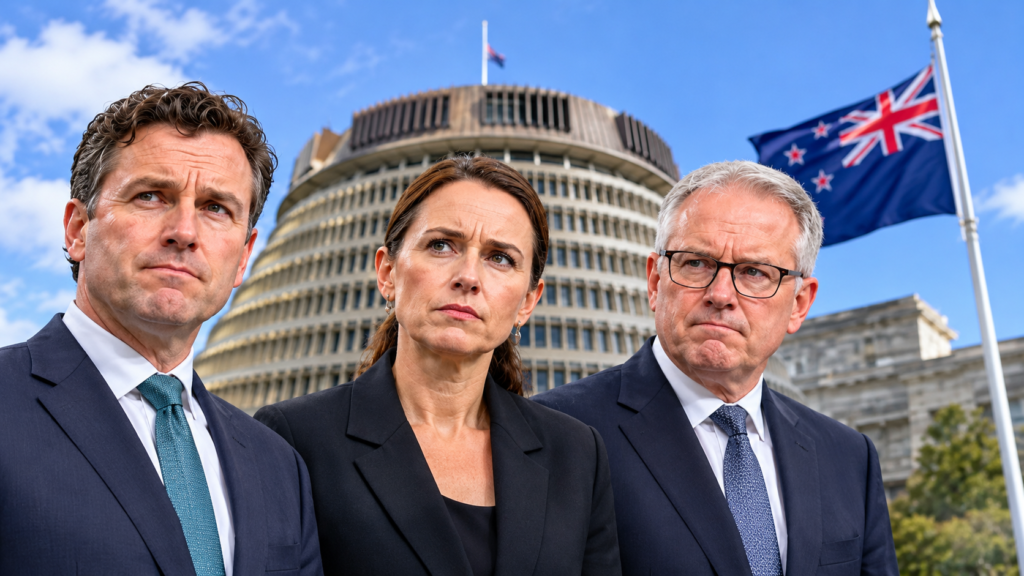
New Zealand’s political landscape has entered a period of uncertainty after the final results of the 2026 general election left Prime Minister Christopher Luxon’s ruling coalition one seat short of a parliamentary majority. The outcome has created a fresh challenge for the National-led government, which must now secure additional political support to remain in power.
The country’s Electoral Commission officially announced the results on November 27, confirming that the governing coalition had secured 65 seats in the 130-member Parliament. An outright majority requires 66 seats, leaving the government dependent on negotiations with other political parties.
The result has placed the Opportunity Party, led by Qiulae Wong, in a potentially influential position. Its seven parliamentary seats could provide the support needed for Luxon to form another government.
According to New Zealand’s 1News, the final vote count changed the political balance that had initially appeared favourable to the incumbent coalition.
The final results confirmed that the National Party won 40 seats, while its coalition partners, ACT New Zealand and New Zealand First, secured 13 and 12 seats respectively.
Together, the three parties hold 65 seats, one fewer than the 66 required for a parliamentary majority.
The Labour Party secured 36 seats, followed by the Green Party with 17. The Opportunity Party won seven seats, while Te Pāti Māori secured five representatives.
The figures are based on the official 2026 general election results published by New Zealand’s Electoral Commission.
The final outcome represents a change from election night, when preliminary figures indicated that the National-led coalition had secured 67 seats, giving it a narrow majority.
However, the official count reduced the National Party’s representation from 42 to 40 seats, while the Green Party gained an additional seat.
The counting of special votes proved decisive in changing the parliamentary balance. In New Zealand, special votes allow eligible citizens to participate in elections when they are voting outside their electorate, overseas or under other qualifying circumstances.
According to the Electoral Commission, 484,865 special votes were counted, representing approximately 16.5 percent of all votes cast.
Their inclusion affected several closely contested races and changed the final allocation of parliamentary seats.
Labour candidates won Hamilton East and Wairarapa, while Green Party candidate Julie Anne Genter secured Wellington Bays. These results contributed to the National Party losing two seats compared with its election-night position.
The Electoral Commission’s official election announcement provides further details about the final vote count, electorate changes and parliamentary seat allocation.
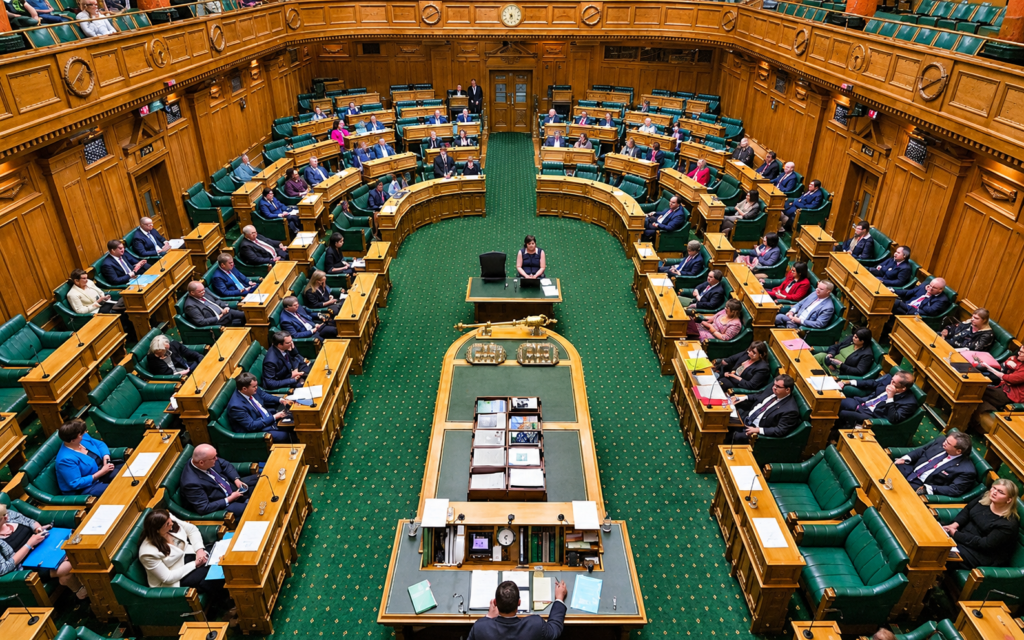
With the ruling coalition falling short of a majority, attention has shifted towards the Opportunity Party and its leader, Qiulae Wong.
The party secured seven seats, making it an important potential partner in government formation. If Opportunity reaches an agreement with National, ACT and New Zealand First, the four parties would collectively hold 72 seats.
However, negotiations could prove challenging because Opportunity has policy priorities that differ from those of the existing coalition partners.
Its proposals include stronger climate commitments, restrictions on bottom-trawling fishing, tighter competition rules and greater public investment.
These differences could create disagreements during negotiations, particularly on environmental policy and the role of government in the economy.
Wong has indicated that her party is prepared to negotiate with National, although its core policy priorities will remain important in any potential agreement.
The discussions will determine whether Opportunity becomes part of a formal coalition or provides parliamentary support through a confidence-and-supply arrangement.
New Zealand follows a parliamentary system in which a government must maintain the confidence of Parliament to remain in office.
This means the National-led coalition does not necessarily need to include 66 members within its formal governing arrangement. It can potentially continue governing with support from other MPs on confidence votes and important budget decisions.
A confidence-and-supply agreement could provide a practical solution, allowing Opportunity to support the government on essential parliamentary matters without joining the Cabinet.
However, if political leaders fail to reach an arrangement capable of securing parliamentary confidence, the country could face another general election.
The opposition Labour Party, led by Chris Hipkins, also faces limitations in forming an alternative government. Labour, the Greens and Te Pāti Māori collectively hold 58 seats. Even with Opportunity’s seven representatives, the grouping would have 65 seats, still below the majority threshold.
This makes negotiations involving the National-led coalition a particularly important part of the political process.
The election outcome comes at a time when New Zealand is facing economic pressures and public concerns about living costs. Political uncertainty could make it more difficult for businesses and investors to assess the country’s future policy direction.
Key issues likely to receive attention during negotiations include taxation, public spending, climate commitments, economic development and competition within major industries.
Investors will also be watching closely to see whether political disagreements delay important policy decisions.
For Christopher Luxon, the immediate priority is to secure a stable governing arrangement that can maintain parliamentary confidence. A rushed agreement could create further problems if coalition partners cannot agree on major policy decisions.
The negotiations may therefore take time as political leaders attempt to balance their priorities and establish a workable arrangement.
New Zealand’s final election results have created a challenging situation for Prime Minister Christopher Luxon and his coalition partners. With 65 seats in Parliament, the ruling bloc has fallen one seat short of an outright majority and must seek additional support to govern.
The Opportunity Party now holds a potentially decisive position in negotiations, although differences over policy could complicate discussions.
The outcome of these talks will determine whether Luxon’s coalition can return to government with additional parliamentary support or whether New Zealand faces further political uncertainty.