 11
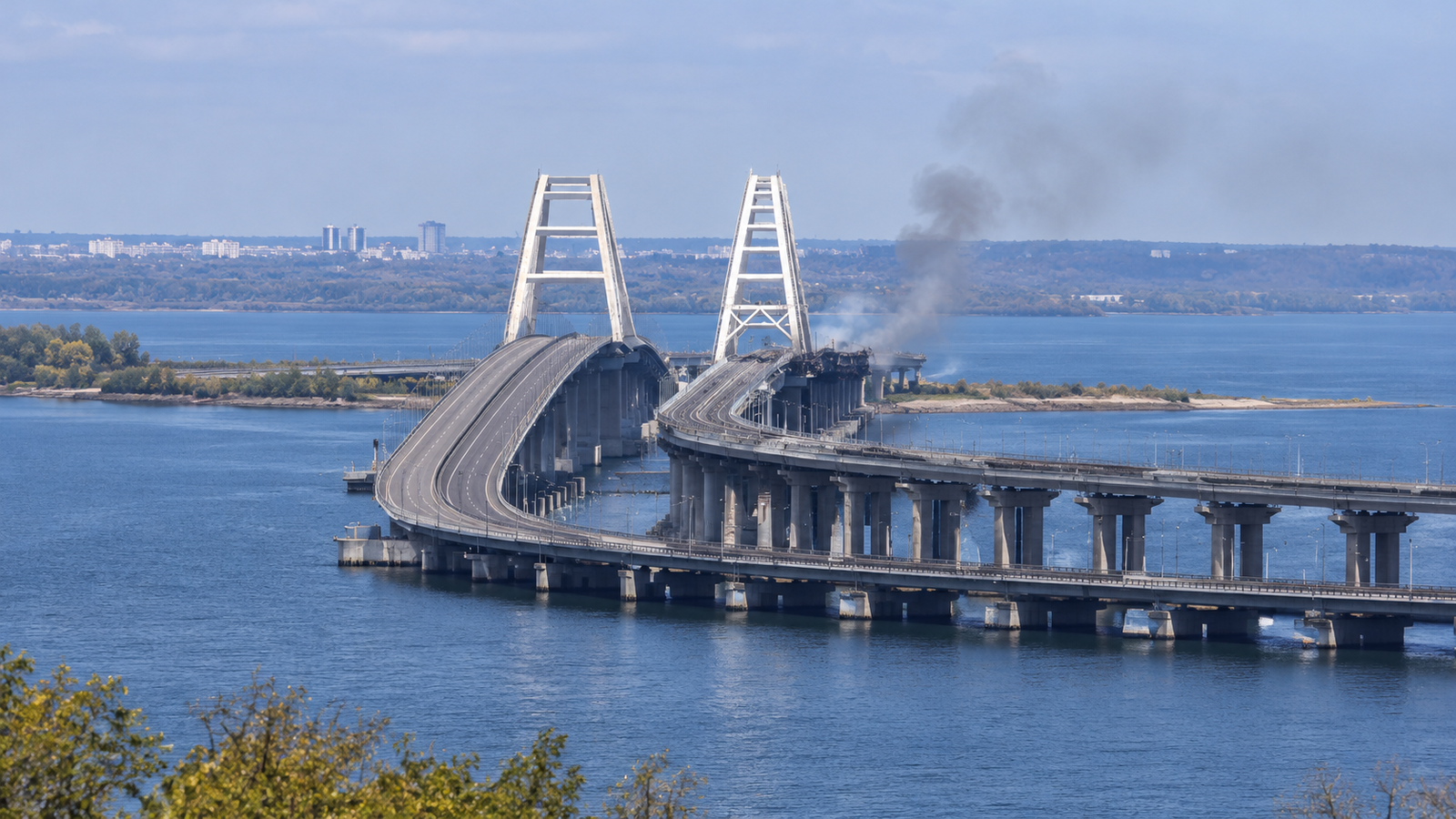
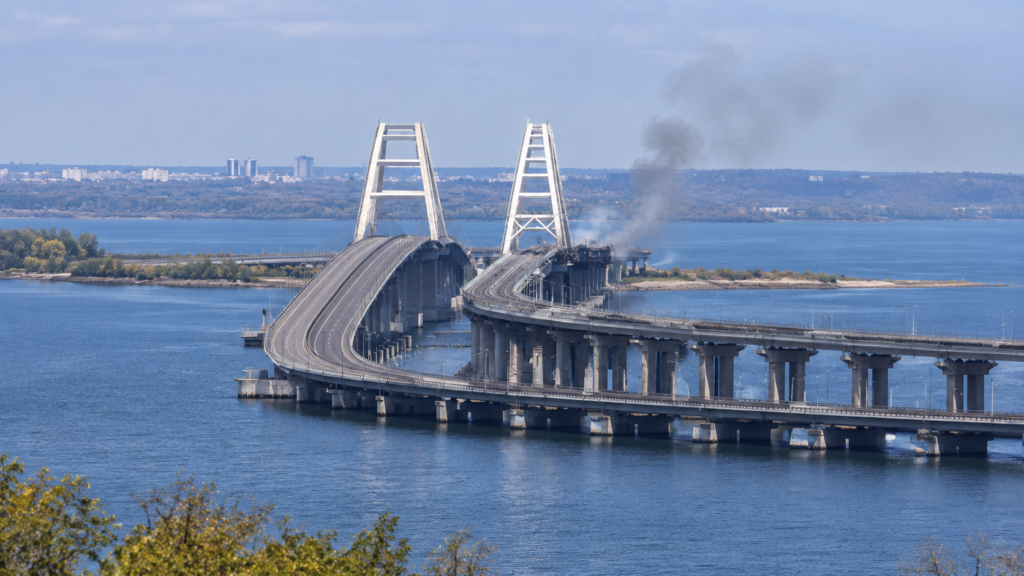
Russian strikes have damaged two important bridges in Ukraine’s capital, raising fresh concerns about transport disruption, essential services and the safety of residents as the war continues.
Two major bridges in Kyiv were struck during a Russian attack late on Monday, November 16, according to the Ukrainian capital’s mayor, Vitali Klitschko. The reported strikes targeted the North and South bridges, two important transport connections spanning the Dnipro River.
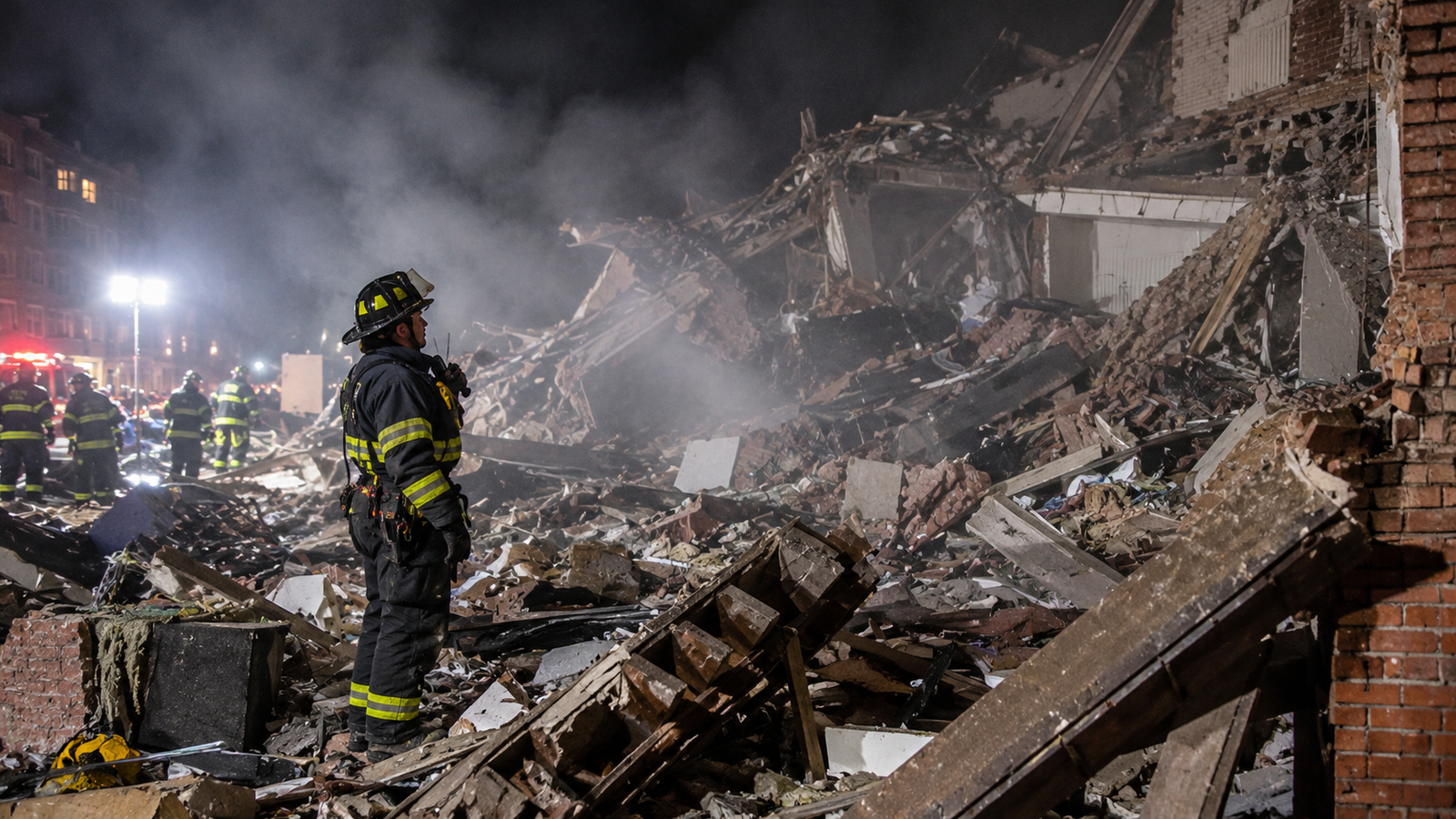
The attack also damaged critical infrastructure across the city, with some districts experiencing disruptions to water and heating supplies. The incident has raised concerns about the growing pressure on Kyiv’s transport network and essential services as Russia continues its military campaign against Ukraine.
Klitschko shared preliminary information about the damage through Telegram shortly before midnight. His announcement came after Ukraine’s Air Force warned residents about incoming missiles and air defence systems were activated over the capital.
Witnesses reported hearing several powerful explosions in different parts of Kyiv during the overnight attack.
According to Mayor Klitschko, preliminary reports indicated that both the North Bridge and South Bridge had been hit. These structures are important connections between the eastern and western sides of Kyiv, which are separated by the Dnipro River.
The bridges play a significant role in the daily movement of residents, commuters and commercial traffic. Any damage or restrictions affecting their operation could create serious transportation difficulties across the capital.
Kyiv is home to approximately three million people, many of whom depend on the river crossings to reach workplaces, schools, hospitals and other essential destinations.
The full extent of the structural damage was not immediately clear following the attack. Officials also had not provided a complete assessment of whether both bridges would remain accessible or whether additional restrictions would be introduced.
The latest incident follows earlier attacks targeting bridges in Kyiv, suggesting that transport infrastructure remains an important concern during the ongoing conflict.
The consequences of the overnight attack extended beyond the reported damage to the bridges.
Klitschko later confirmed that critical infrastructure systems had also been affected. Some areas of Kyiv experienced interruptions to water and heating supplies, creating additional difficulties for residents.
Damage to essential infrastructure can have consequences far beyond the immediate impact of a missile strike. Water distribution, heating networks and electricity systems are interconnected, meaning that damage to one part of the network can affect services in several neighbourhoods.
The situation is particularly concerning as Ukraine approaches the colder months. Heating is essential for households, hospitals, schools and other public facilities during winter.
Repair teams and emergency services are likely to face pressure to assess damaged facilities and restore interrupted services as quickly as possible.
However, the authorities had not yet released a complete public assessment of the infrastructure damage at the time of reporting.
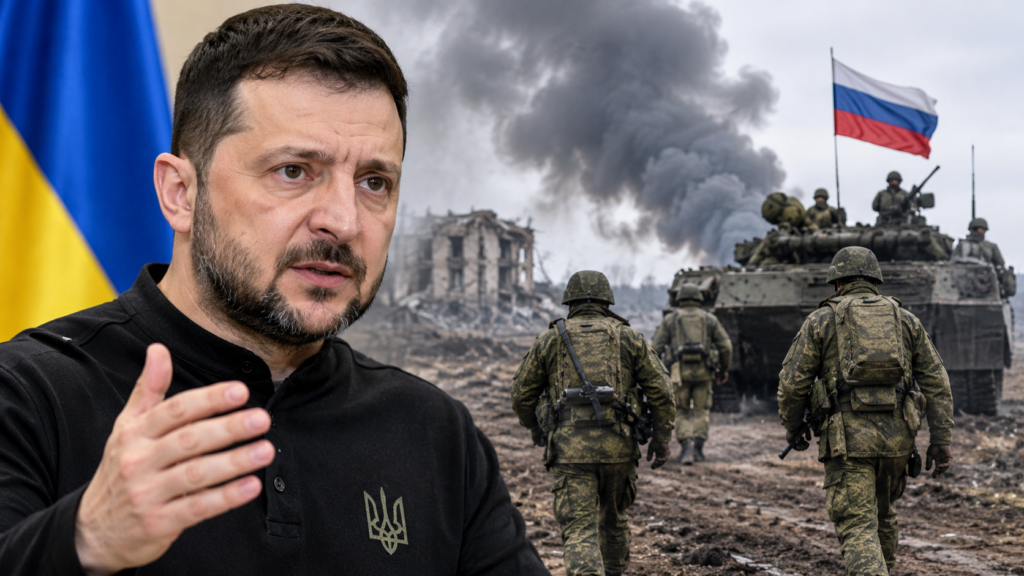
The strikes came after Ukrainian President Volodymyr Zelensky warned that Russia could launch further attacks against the country.
In his nightly address on Monday, Zelensky urged Ukrainians to pay close attention to missile warnings during the night and throughout Tuesday.
His warning indicated that Ukrainian intelligence had identified a potential threat of additional Russian military operations.
The president also said Ukraine would respond to Russian attacks, reinforcing Kyiv’s position that it would continue defending the country against Moscow’s invasion.
Air defence systems remained an important part of Ukraine’s efforts to protect major cities and critical infrastructure. Nevertheless, repeated missile and drone attacks continue to place pressure on the country’s defensive capabilities.
Kyiv was not the only area affected by the latest wave of Russian military activity.
Local authorities reported attacks in several other Ukrainian regions, including Kharkiv, Dnipro and Zaporizhzhia.
In the central Cherkasy region, a Russian missile attack reportedly injured three people, according to local officials. Authorities also reported damage and military activity affecting other locations.
These incidents highlight the geographical scale of the latest attacks and the continuing security challenges facing Ukrainian communities.
Russia has repeatedly launched missiles and drones against Ukrainian cities, military facilities and infrastructure since the full-scale invasion began in February 2022.
The continuing attacks have forced millions of Ukrainians to adapt to air raid warnings, damaged public services and the uncertainty of living under the threat of further strikes.
The latest developments also came amid continuing military operations by both countries.
Russian authorities reported that Ukrainian drones had targeted locations inside Russia, including areas around Moscow. Moscow’s mayor, Sergei Sobyanin, said air defence systems had intercepted drones approaching the Russian capital.
Separately, Russian-installed officials in occupied Crimea reported another attack on the Kerch Bridge, which connects the peninsula with mainland Russia. Traffic was suspended following the reported incident.
These developments demonstrate how the conflict continues to affect strategic infrastructure on both sides.
Bridges have particular military and economic importance because they support the movement of people, supplies, vehicles and equipment. Damage to such structures can create transportation problems and complicate military logistics.
At the same time, attacks affecting infrastructure used by civilians can create significant humanitarian consequences, especially when water, heating and electricity services are disrupted.
According to The Guardian’s latest Ukraine war report, Ukrainian forces reportedly struck the Kerch Bridge for a second consecutive day, leading to a suspension of traffic while Russian-installed officials assessed the situation.
The latest strikes occurred while diplomatic discussions about ending the war were also taking place.
Zelensky confirmed that Ukrainian representatives had held online discussions with US presidential envoys Steve Witkoff and Jared Kushner, alongside European representatives.
The discussions focused on possible ways to move negotiations forward and explore prospects for ending the conflict.
The diplomatic process remains complicated, with major disagreements between Moscow and Kyiv over security, territory and the future relationship between Ukraine and Russia.
Although international efforts to find a peaceful solution continue, developments on the battlefield demonstrate how difficult it remains to achieve a lasting agreement.
Ukraine continues to seek military and diplomatic support from its international partners, while European governments remain involved in discussions about the country’s security and the wider regional situation.
The reported strikes on the North and South bridges represent another challenge for a city already dealing with repeated attacks on its infrastructure.
Even if the bridges remain structurally usable, damage could lead to traffic restrictions, delays and difficulties for people travelling between different parts of Kyiv.
Disruptions to heating and water supplies also underline the importance of protecting essential civilian infrastructure during the conflict.
For residents, the immediate priorities will be the restoration of public services, reliable information about bridge access and continued protection from further missile and drone attacks.
Ukrainian authorities are expected to assess the damage and provide additional information as emergency and repair operations progress.
For now, the latest attack serves as a reminder that the war continues to affect not only military positions but also the everyday systems on which millions of civilians depend.
The situation in Kyiv remains closely tied to the wider conflict, with further developments likely to depend on Russia’s military operations, Ukraine’s defensive response and the progress of international diplomatic efforts.
For more updates on the Russia-Ukraine war, international developments, and the latest breaking news, visit PeakHoursNews for continued coverage and in-depth reporting.