 11
US Strikes Iranian Island has carried out limited military strikes against targets on Iran’s Qeshm Island, adding another development to the growing tensions between Washington and Tehran. The operation took place shortly before the US midterm elections, raising questions about America’s military strategy, the future of diplomatic negotiations and the political consequences of the ongoing conflict.
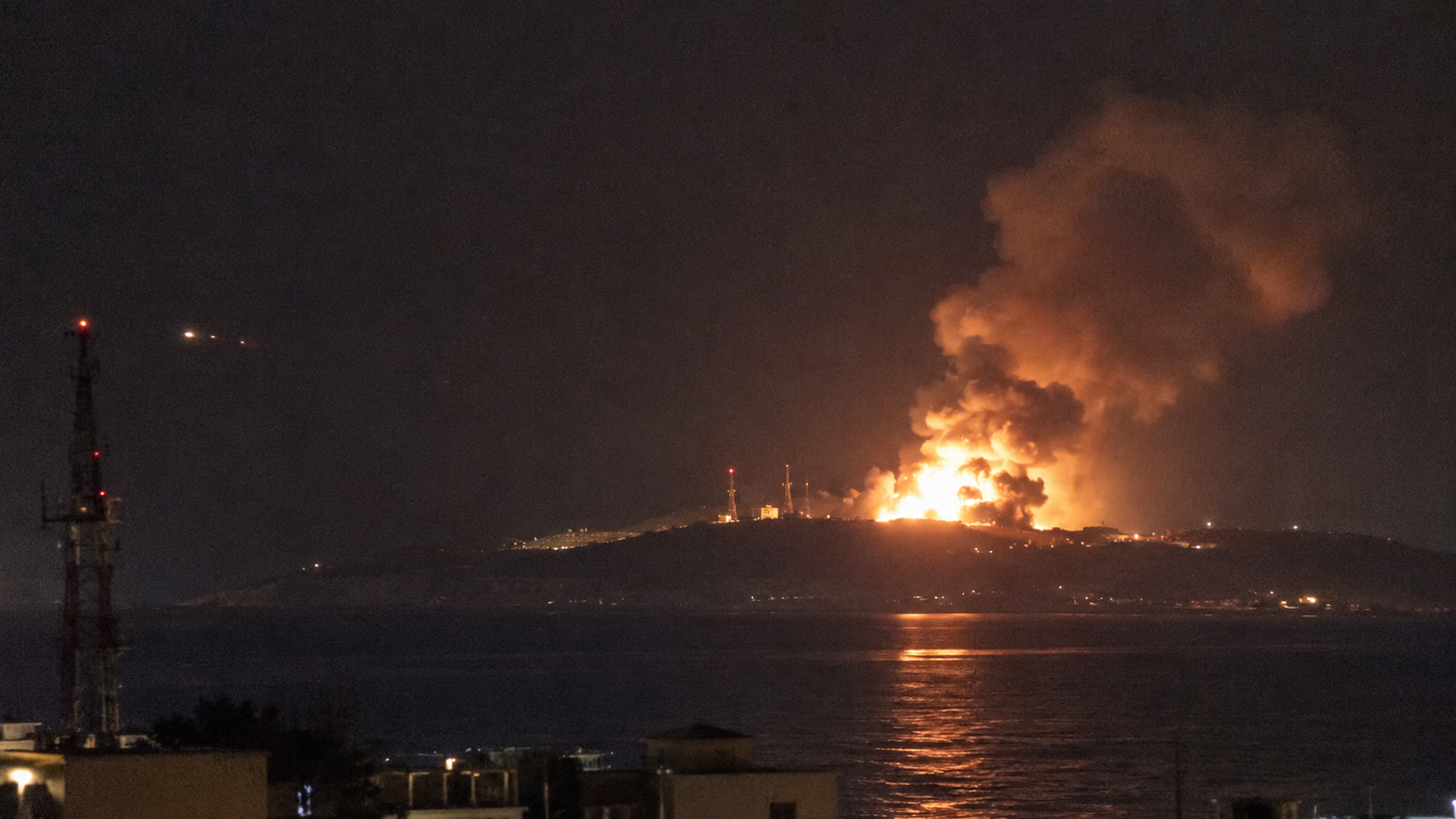
According to reports, the strikes were conducted on Monday, November 2, just hours before American voters headed to the polls for the November 3 midterm elections. US officials described the operation as defensive, saying it targeted Iranian forces believed to be using surface-to-air missiles against American military assets.
The timing of the attack has attracted particular attention because President Donald Trump had previously indicated that the United States would avoid launching additional strikes against Iran before the elections. The latest military action therefore comes at a politically sensitive moment for the administration.
Qeshm Island, located near the entrance to the Strait of Hormuz, holds considerable strategic importance because of its position along one of the world’s most important maritime routes. The island has military facilities and infrastructure that make it significant to Iran’s regional security strategy.
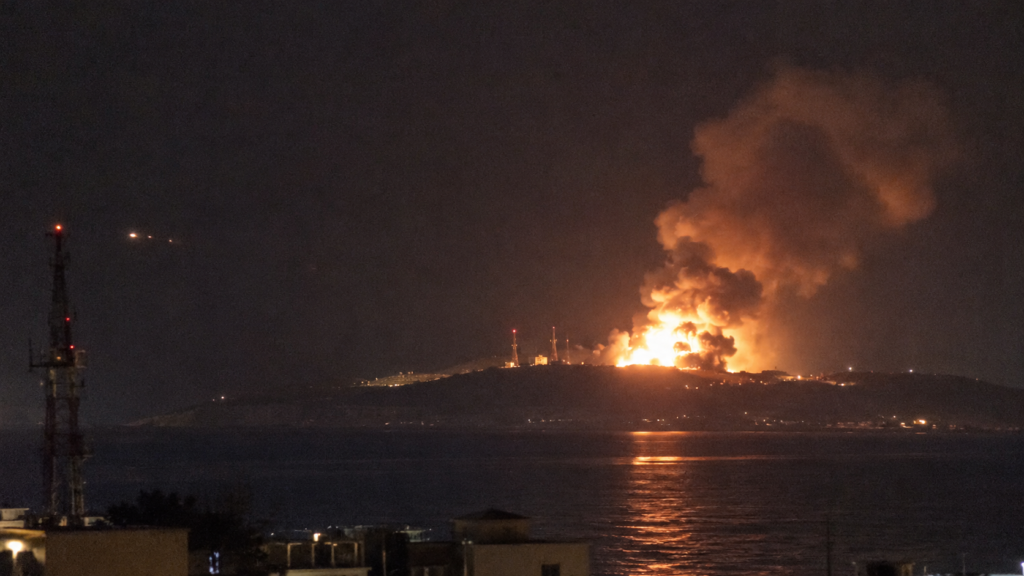
Iranian state media reported that several explosions were heard across Qeshm Island on Monday evening. Local reports also described aircraft flying over the area. However, details about the full extent of the damage and the specific facilities affected remained limited following the incident.
The military developments also come as the Trump administration faces important domestic political challenges. The November midterm elections are particularly significant because they will determine the balance of power in Congress. Republicans are seeking to maintain their political position, while Democrats are hoping to gain seats and increase their influence over the legislative agenda.
Foreign policy has become an important issue during the election campaign, particularly because of the economic consequences associated with the conflict involving Iran. Rising energy costs, uncertainty in international markets and concerns about military spending have contributed to public debate about the administration’s approach.
Higher gasoline prices can affect American households directly, particularly those that depend on private vehicles for commuting and daily activities. Businesses also face increased transportation and operating expenses when fuel prices rise. These costs can influence consumer spending and contribute to broader economic concerns.
President Trump has attempted to emphasize the possibility of diplomatic progress with Iran. Before the reported strikes, Vice President JD Vance expressed optimism about negotiations, indicating that Washington believed an agreement could still be possible.
US officials reportedly characterized the strikes as a limited military operation rather than the beginning of a new large-scale campaign against Iran. According to reporting by the BBC, US strikes on an Iranian island took place ahead of the midterm elections, while American officials described the action as part of efforts to respond to threats against US assets.
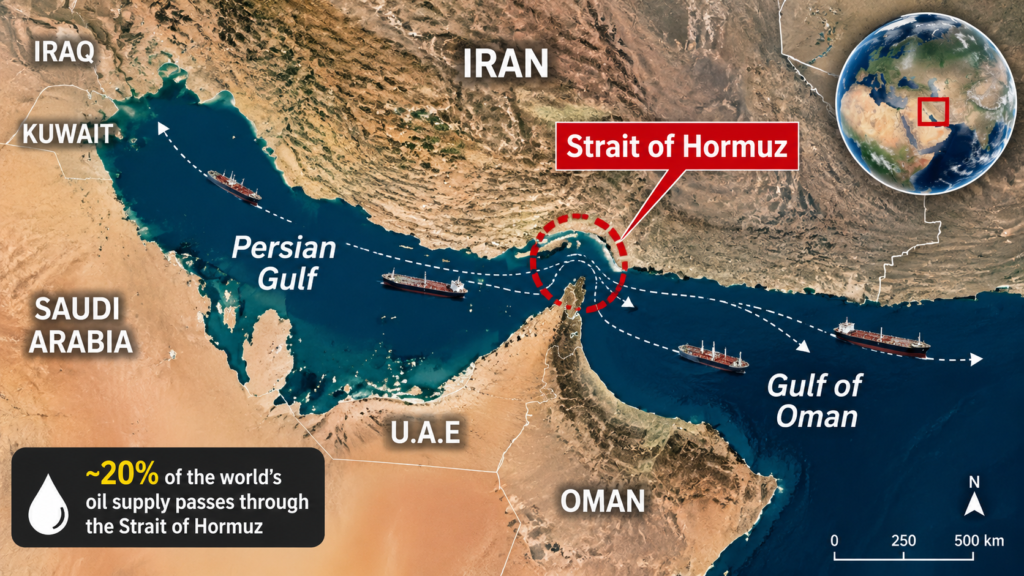
The Strait of Hormuz is a major reason why developments around Qeshm Island matter internationally. The narrow waterway connects the Persian Gulf with the Gulf of Oman and provides an essential passage for international energy shipments. A substantial portion of the world’s oil supply normally travels through this route, making its security important for energy markets and international trade.
The ongoing conflict has disrupted commercial shipping through the strait, creating uncertainty for shipping companies, energy producers and governments. Restrictions and attacks involving vessels have increased concerns about the safety of maritime transportation. Any additional military confrontation in the area could make the situation more difficult to manage.
For the United States, protecting commercial shipping and its military personnel in the region remains an important security concern. Officials have suggested that the latest strikes were intended to reduce the threat posed by Iranian missile capabilities. However, Tehran may view further American military action as an escalation, potentially creating additional pressure on an already fragile regional situation.
Vance suggested that discussions with Iranian representatives had produced some progress and that the administration remained interested in reaching a negotiated settlement. His comments offered a more positive diplomatic message at a time when military developments were creating uncertainty.
Trump also indicated that Iran was interested in reaching an agreement. His comments suggested that Washington remained open to negotiations rather than immediately returning to a broader military campaign.
Iranian officials have also indicated that diplomatic discussions remain possible, although Tehran continues to emphasize its own demands and security concerns. Negotiations involving both countries are complicated by disagreements over military activities, regional influence, security guarantees and the future of strategic infrastructure.
The involvement of regional countries in diplomatic efforts could also become important. Governments in the Middle East have strong reasons to prevent the conflict from expanding because further instability could affect trade, energy supplies and regional security. Diplomatic communication may therefore provide an opportunity to reduce tensions before another major confrontation develops.
Another important question concerns how the United States will approach Iran after the midterm elections. The latest operation does not necessarily mean that Washington has decided to restart a full military campaign. However, it demonstrates that American forces remain prepared to conduct limited operations when officials believe US assets are under threat.
The administration must also consider the wider consequences of any future military decision. A larger campaign could increase pressure on Iran while creating risks for American personnel, regional partners and international shipping. It could also make diplomatic negotiations more difficult by reducing confidence between the two governments.
For Iran, responding to American strikes presents its own challenges. Tehran must consider its military objectives alongside the potential economic and political costs of further confrontation. Any retaliation involving commercial vessels or regional military facilities could increase international concerns and create additional pressure for both sides.
Global energy markets are particularly sensitive to developments around the Strait of Hormuz. When shipping through the waterway becomes uncertain, oil traders and energy companies often reassess the risks associated with transportation and supply. Even the possibility of further disruption can influence market expectations.
A prolonged crisis could also affect countries that depend heavily on imported energy. Higher oil prices can increase electricity generation costs, transportation expenses and production costs across several industries. Developing economies may face additional pressure because expensive energy imports can contribute to inflation and weaken national currencies.
At the same time, a successful diplomatic agreement could improve confidence in international shipping and reduce concerns about further military escalation. Restoring stable commercial movement through the Strait of Hormuz would be an important step toward reducing economic uncertainty.
For now, the situation remains uncertain. The latest US strikes have demonstrated that military tensions have not disappeared, even as officials continue discussing the possibility of a negotiated settlement. The coming days could provide a clearer indication of whether Washington and Tehran are moving toward an agreement or preparing for another period of confrontation.
The developments surrounding Qeshm Island also highlight the connection between international security and domestic politics. With American voters deciding the future balance of power in Congress, the administration’s handling of the Iran conflict is likely to remain part of the wider political debate.
Ultimately, the future of the situation will depend on decisions made by both governments. Whether diplomatic negotiations can reduce tensions, protect international shipping and prevent further military action remains one of the most important questions facing the region.
For continuing updates on international developments, politics and global affairs, readers can visit PeakHoursNews for more news coverage.