 11
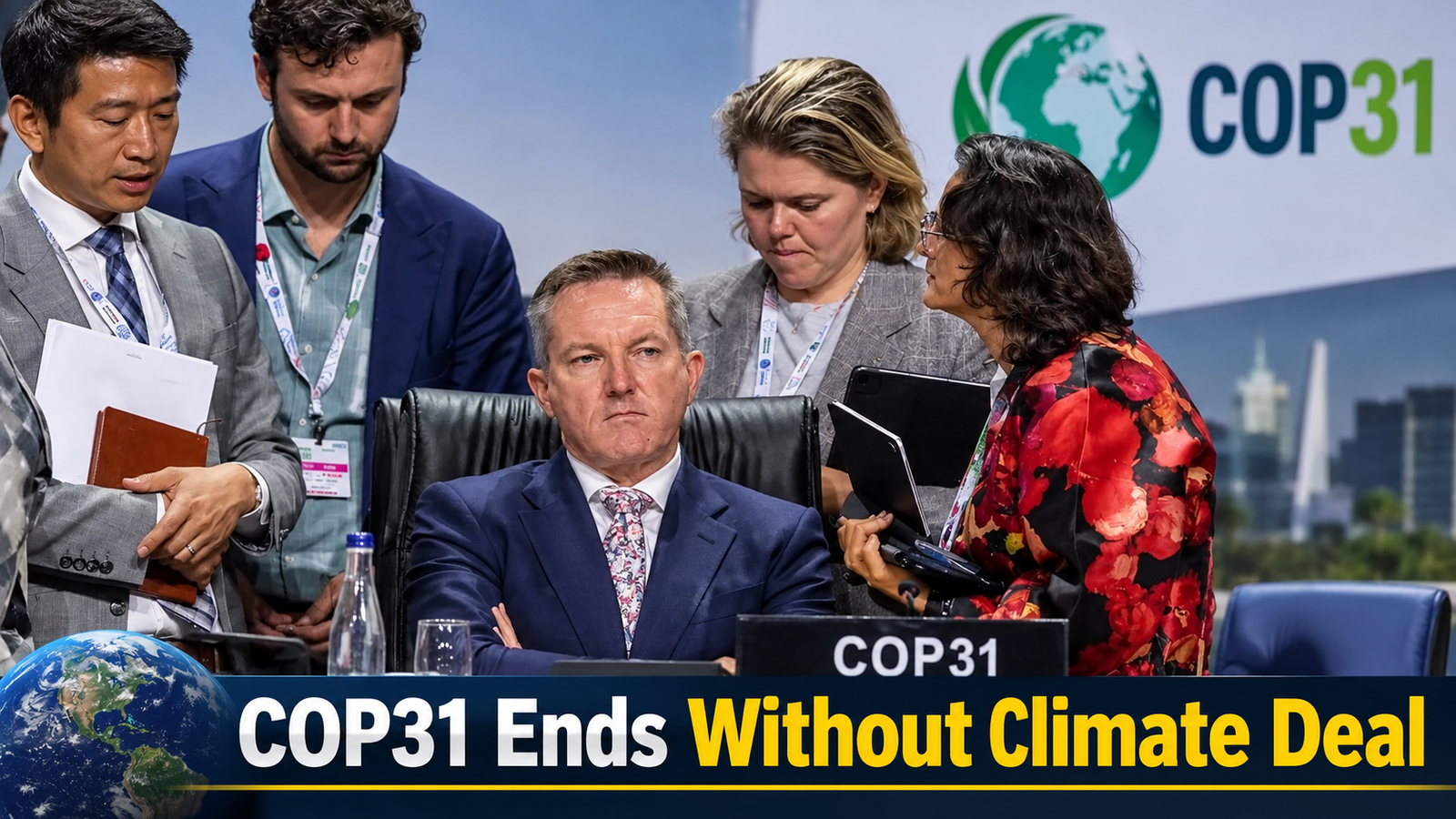
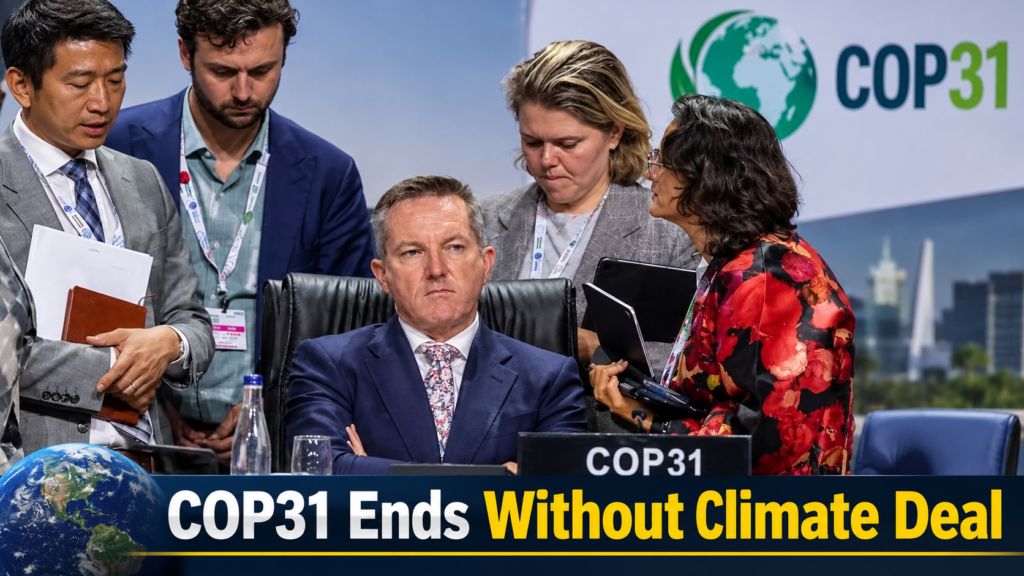
The longest United Nations climate conference in history has ended without a major agreement after countries failed to overcome deep disagreements over fossil fuels and financial support for developing nations. The COP31 summit in Antalya, Turkey, continued beyond its scheduled deadline, but negotiations eventually broke down as governments remained divided over how to address the growing climate crisis.
The failure has raised serious questions about international cooperation on climate change. Nearly 200 countries participated in the discussions, but their different economic priorities and energy policies made it difficult to reach a common position.
According to BBC News coverage of the COP31 negotiations, the final proposed agreement was rejected by the European Union, Pacific island nations and other countries because it did not directly mention fossil fuels. Developing nations also expressed concerns about the lack of clear financial commitments from wealthier countries.
One of the biggest disagreements during the conference involved fossil fuels, including coal, oil and natural gas. These energy sources are major contributors to global greenhouse gas emissions and play a significant role in rising temperatures.
Several countries wanted the final agreement to include a clear commitment to move away from fossil fuels. They argued that the world cannot effectively address global warming without reducing its dependence on traditional energy sources.
However, oil-producing countries opposed stronger language that could put additional pressure on their energy industries. Saudi Arabia and other nations resisted including direct references to fossil fuels in the final document.
The disagreement became more serious as negotiations entered their final stages. An earlier draft reportedly mentioned fossil fuels several times, but those references were removed from later versions in an attempt to find common ground.
The European Union strongly objected to the revised proposal. Representatives argued that an international climate agreement without a direct reference to fossil fuels would not reflect the urgency of the environmental challenges facing the world.
Countries such as Panama and the Marshall Islands also criticised the proposed outcome, saying it did not go far enough to protect vulnerable communities.
Fossil fuels were not the only issue preventing countries from reaching an agreement. Financial assistance for developing nations also became a major source of tension.
Many poorer countries argue that wealthier nations have a greater responsibility to support global climate action because industrialised economies have historically produced a significant share of greenhouse gas emissions.
Developing countries are often among the most vulnerable to climate-related disasters. They face increasingly severe heatwaves, floods, droughts and storms, but many lack the financial resources needed to protect their populations.
These nations want richer governments to provide reliable funding for climate adaptation, infrastructure improvements and disaster preparedness.
Although countries previously agreed to increase financial support, disagreements remain over how much money should be provided and how commitments should be measured.
The final COP31 proposal did not include clear financial figures or a specific baseline for measuring future adaptation funding. This created concerns among developing nations that existing promises could become difficult to enforce.
Mohamed Adow of Power Shift Africa criticised wealthy countries for failing to provide sufficient support to nations already experiencing the consequences of climate change.
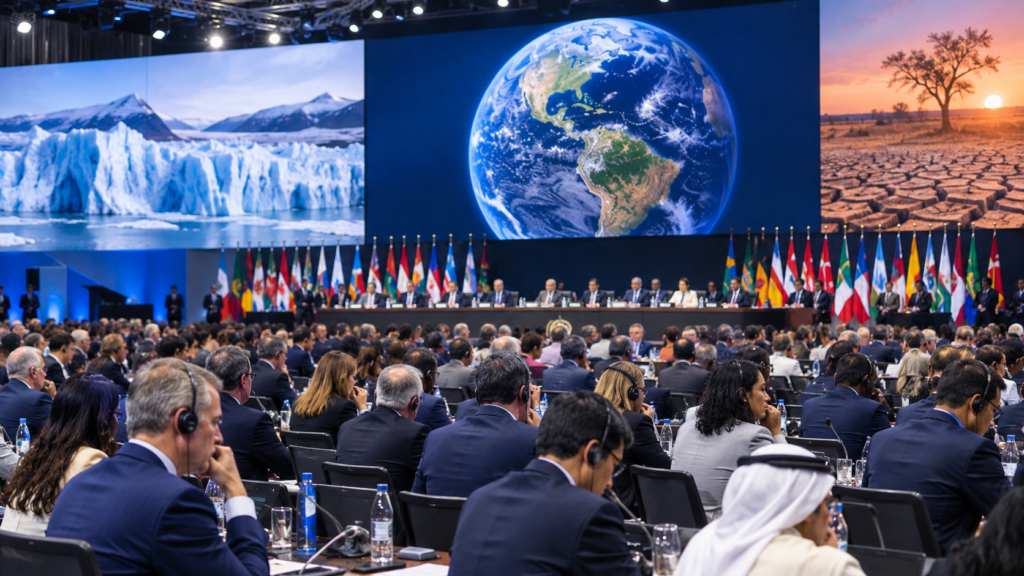
The climate summit was originally expected to conclude on Friday. However, disagreements continued, forcing negotiators to extend discussions into the weekend.
Delegates spent additional hours trying to produce a final document that could receive support from participating governments. Despite these efforts, the negotiations remained deadlocked.
The extended discussions made COP31 the longest UN climate conference on record. The failure to reach a major political agreement was particularly significant because the international climate process generally depends on consensus among participating countries.
The last time a major COP conference failed to produce its main political agreement was in Copenhagen in 2009.
United Nations Secretary-General Antonio Guterres expressed deep disappointment over the outcome. He also criticised powerful fossil fuel interests for delaying climate policies and weakening efforts to reduce emissions.
His remarks reflected concerns that economic and political interests continue to influence international climate negotiations, even as environmental risks become more serious.
The failure of the negotiations could have serious implications for vulnerable communities around the world.
Small island nations face rising sea levels that threaten homes, coastal infrastructure and freshwater supplies. In other regions, changing rainfall patterns and prolonged droughts are putting pressure on agriculture and food production.
Extreme weather events can also damage roads, hospitals, schools and electricity networks. Countries with limited financial resources often struggle to rebuild after major disasters.
Climate adaptation is therefore an important part of international environmental policy. Governments need investment in flood protection, stronger infrastructure, water management and agricultural systems that can withstand changing weather conditions.
Without sufficient financial assistance, developing nations may find it increasingly difficult to protect their populations from future environmental threats.
The disagreements at COP31 highlighted the gap between the needs of vulnerable countries and the financial commitments offered by wealthier governments.
Another important issue discussed during the conference was the international goal of limiting global warming to 1.5C above pre-industrial levels.
The target was established through the 2015 Paris Agreement, which brought countries together around a shared framework for reducing greenhouse gas emissions.
However, current climate policies are not sufficient to keep global warming within that limit. The United Nations estimates that existing government policies could result in approximately 2.8C of warming by the end of the century.
Scientists warn that higher temperatures could increase the intensity of extreme heat, threaten ecosystems and contribute to rising sea levels.
The world is also approaching a period known as climate overshoot, when global temperatures temporarily exceed the 1.5C threshold.
Although countries remain committed to limiting long-term warming, achieving that goal will require faster emission reductions and major improvements in clean energy technologies.
The discussions at COP31 showed that governments still disagree about the speed and scale of the changes required.
Despite the failure to secure a major political agreement, COP31 was not entirely without progress.
Countries made advances on a proposed just transition mechanism. The framework is intended to support workers and communities as economies gradually move towards cleaner energy systems.
This issue is important because the transition away from fossil fuels could affect millions of people employed in traditional energy industries.
Governments need to ensure that workers have access to new employment opportunities, training and economic support as energy systems change.
More than 80 countries also supported Turkey’s target of increasing electricity’s share of global energy use to 35% by 2035.
These developments indicate that some areas of international climate cooperation remain possible, even when governments cannot agree on wider political commitments.
However, smaller agreements cannot fully replace the need for a comprehensive approach to reducing emissions and supporting vulnerable nations.
The failure to reach a major agreement means that several important climate issues will remain unresolved as countries prepare for future negotiations.
Governments will continue facing pressure to strengthen their climate policies, expand renewable energy and deliver financial support to developing nations.
The next UN climate conference, COP32, is scheduled to take place in Ethiopia in November 2027. It will provide another opportunity for countries to address the disagreements that prevented progress in Antalya.
The challenge for future negotiations will be finding a balance between economic development, energy security and environmental protection.
Countries that depend heavily on oil, gas and coal will need to consider how they can gradually reduce emissions without creating serious economic disruption. Meanwhile, developing nations will continue demanding fair financial support and access to cleaner technologies.
The international community also needs to rebuild trust in the climate negotiation process. Without cooperation, even ambitious environmental promises may struggle to produce meaningful results.
For more latest news, updates, and in-depth coverage, visit PeakHoursNews