 11
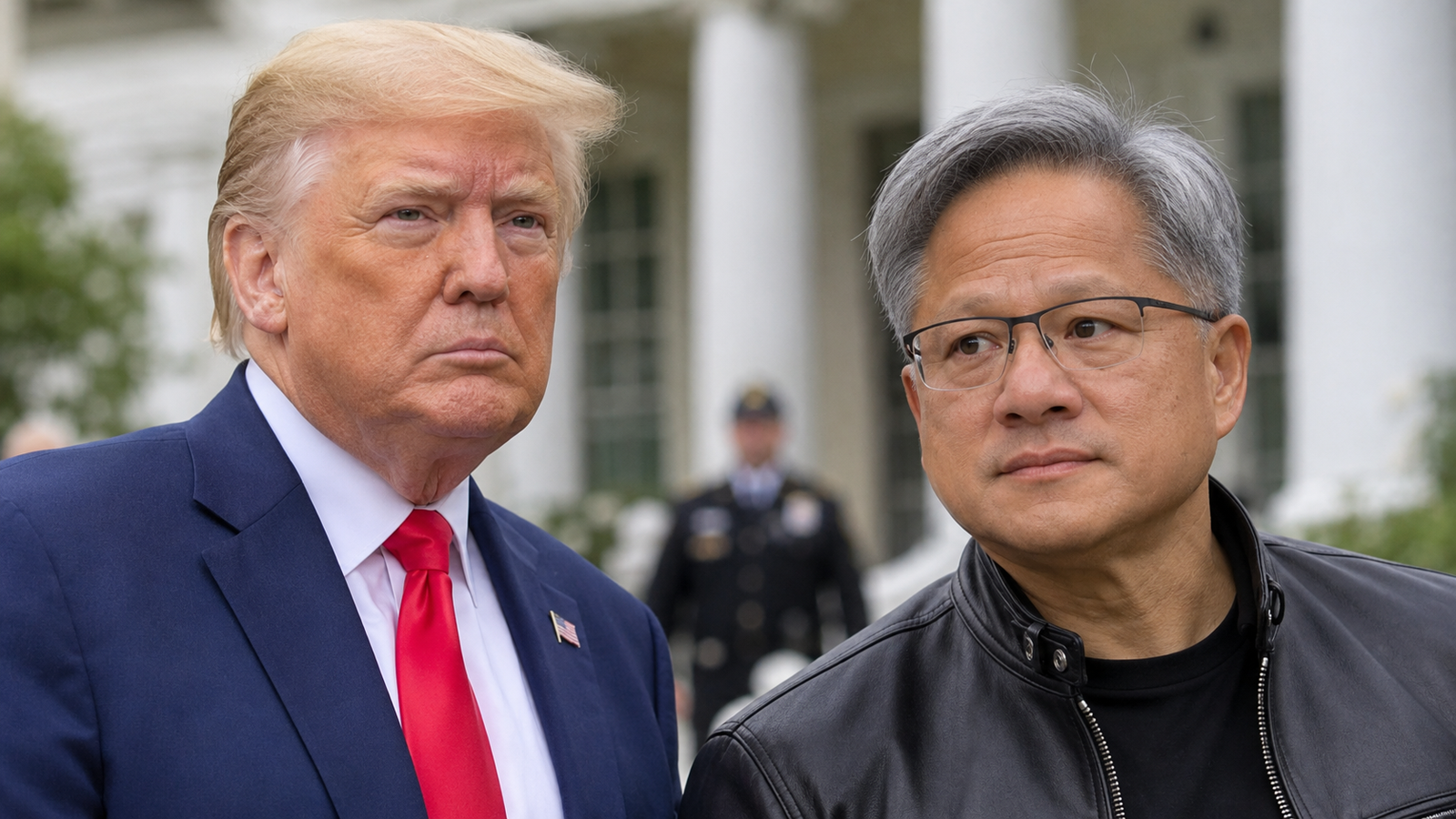
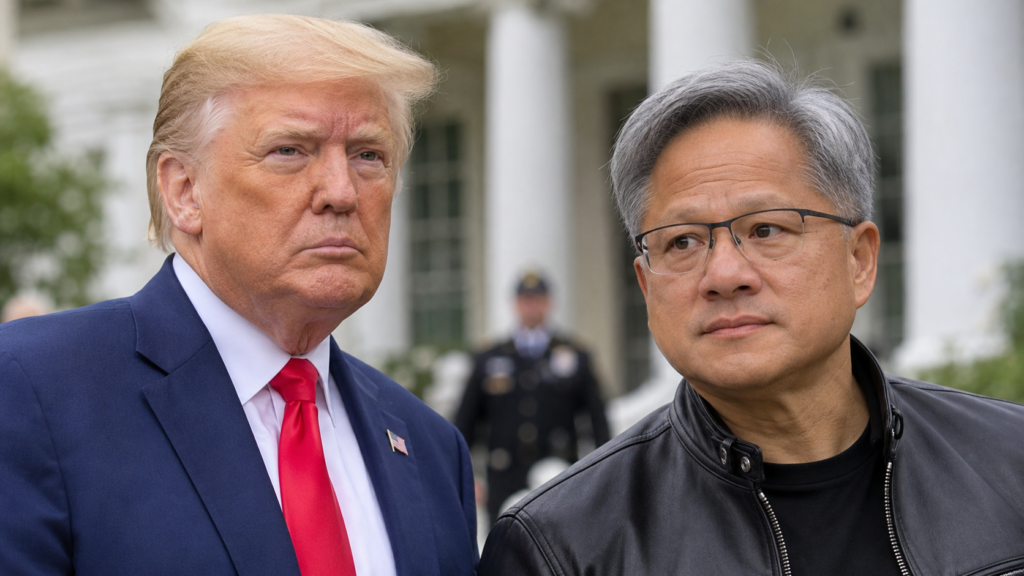
US President Donald Trump has revealed that the Federal Bureau of Investigation (FBI) is examining matters surrounding Nvidia chief executive Jensen Huang’s relationship with a woman suspected by US intelligence officials of having links to Chinese espionage. The comments have added another layer to a controversy involving one of the world’s most influential technology companies.
Trump told reporters that he had spoken directly with Huang on Monday and asked whether the Nvidia chief knew about the woman’s alleged intelligence connections. According to the president, Huang denied having any knowledge of such links, and Trump said he believed his explanation.
The situation has attracted attention in Washington because Nvidia plays a central role in the global artificial intelligence industry. Its advanced processors are considered strategically important as the United States and China compete for technological leadership.
Speaking to journalists at the White House, Trump said he had questioned Huang about the reported relationship and whether he knew the woman was allegedly connected to Chinese intelligence.
The president described Huang as an honourable person and expressed confidence that he would manage the situation. However, Trump also confirmed that the FBI was looking into the matter, without providing specific information about the investigation’s scope or timeline.
The FBI has not publicly confirmed the details of the reported inquiry. The distinction is important because Trump’s comments do not establish that Huang committed any wrongdoing or that the woman was acting on behalf of the Chinese government.
According to reporting by BBC News, the president’s remarks followed growing scrutiny of Huang’s personal relationship and its possible implications for national security.
The woman identified in media reports as Alice Huang is not related to Nvidia’s chief executive, despite sharing his surname. She has been associated with Singapore-based technology company Megaspeed, which reportedly had business connections involving Nvidia.
According to information reported by The New York Times and cited by international media, US intelligence officials believe Alice Huang may have worked for Chinese intelligence.
These claims have not been independently established in public, and the woman has not been proven guilty of espionage. The allegations should therefore be treated with caution.
The reported connections have nevertheless raised questions about whether a personal relationship could have created opportunities for foreign intelligence gathering or exposed sensitive business information.
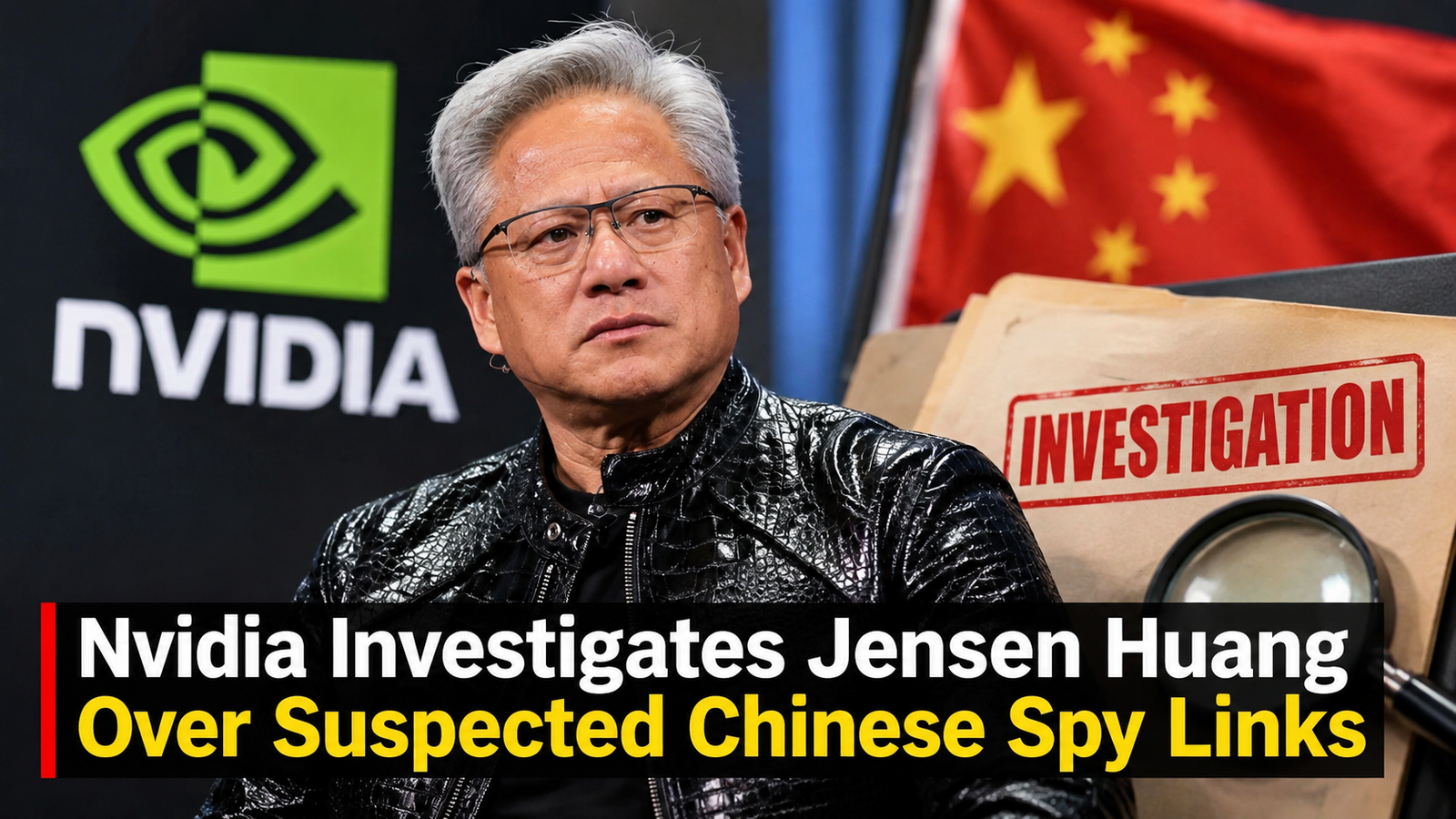
Nvidia has initiated an independent investigation to examine the circumstances surrounding its chief executive’s relationship and any potential security concerns.
Jensen Huang has acknowledged being unfaithful to his wife and apologised for the personal and professional consequences of his actions. He has also indicated his willingness to take responsibility and cooperate with relevant inquiries.
The company has said it has no reason to believe that its confidential information or US national security interests have been compromised.
This distinction is particularly important for Nvidia. The company develops advanced graphics processing units (GPUs) used in artificial intelligence systems, data centres, scientific research and other high-performance computing applications.
Any credible concern involving access to sensitive technology or confidential information could attract attention from regulators, investors and government officials.
Beijing has strongly rejected suggestions that Chinese intelligence targeted Huang through the reported relationship.
China’s foreign ministry described the allegations as groundless and speculative, arguing that they were intended to damage the country’s reputation.
The disagreement adds another dimension to already complicated US-China technology relations. Both countries are competing to strengthen their positions in artificial intelligence, semiconductor manufacturing and advanced computing.
Nvidia has become an important part of this competition because its chips are widely used to develop and operate modern AI systems.
The controversy extends beyond the personal life of a technology executive. Nvidia’s position in the semiconductor industry means that questions surrounding its leadership can have wider business and geopolitical consequences.
Washington has introduced restrictions on certain advanced semiconductor exports to China, citing national security concerns. These measures are designed to limit access to computing technology that could strengthen China’s military or strategic capabilities.
Huang has previously argued that US companies should remain competitive in international markets, including China. His position on technology exports has made him an influential voice in discussions about American semiconductor policy.
The latest controversy could increase scrutiny of the company’s relationships, security procedures and approach to international business.
Nvidia’s shares also faced pressure during recent trading, with reports indicating a decline of more than 4%. The market reaction reflects investor concerns about uncertainty surrounding the company’s leadership and the potential consequences of the
The latest developments follow earlier reports about Nvidia’s internal investigation into Jensen Huang’s alleged links to a suspected Chinese spyallegations.
Several important questions remain unanswered. Investigators have not publicly explained the precise nature of the FBI’s involvement, while Nvidia’s independent review is expected to examine whether the reported relationship created any security or corporate risks.
US lawmakers have also shown interest in understanding the potential implications for national security and Nvidia’s business operations.
For now, there is no publicly established evidence that Nvidia’s trade secrets were compromised or that Huang knowingly assisted a foreign intelligence operation.
The outcome of the investigations could influence how investors, government officials and technology companies assess the risks surrounding senior executives and sensitive international business relationships.
As the United States and China continue competing for leadership in artificial intelligence, the case highlights how personal connections, corporate governance and national security can become closely connected.
More technology and global business updates are available on PeakHoursNews.