
 11
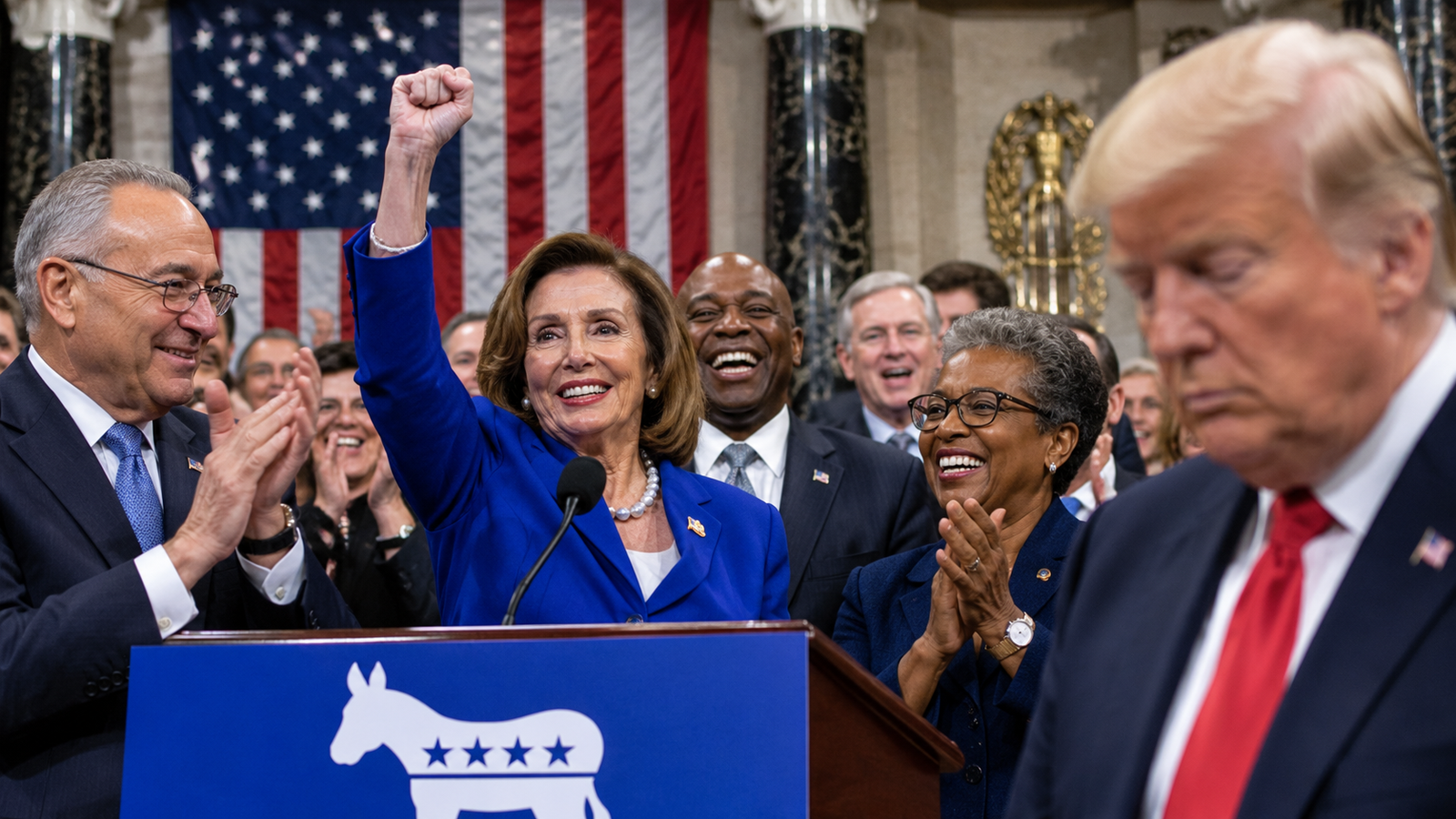
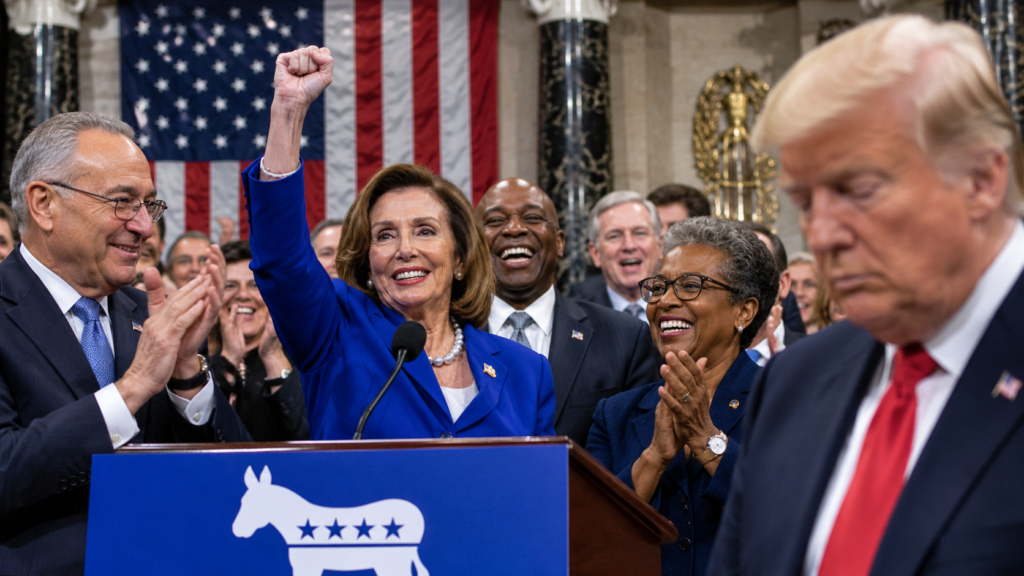
Democrats Seize Control of US both chambers of the United States Congress in the 2026 midterm elections, delivering a major political setback to President Donald Trump and the Republican Party. The results represent a significant shift in American politics, with voters backing Democratic candidates across several states that have traditionally supported Republicans.
The election results, announced on November 3 and reported by major international news organisations on November 4, show Democrats making historic gains in the Senate and House of Representatives. The victories will create a divided government when the new Congress begins its work in January 2027, potentially making it more difficult for Trump to advance his legislative priorities during the remaining two years of his presidency.
According to Reuters’ coverage of the election results, Democratic victories extended into Republican strongholds, including Texas, South Carolina and Kansas. The results reflected growing voter frustration over economic conditions, the administration’s handling of the Iran war and concerns about government leadership.
The outcome could reshape Washington’s political environment and influence the direction of major national policies.
The biggest development from the 2026 midterm elections is the Democrats’ success in gaining control of both chambers of Congress.
Before the elections, Republicans held narrow majorities in the House and Senate, giving Trump’s administration considerable support when attempting to pass legislation and advance political priorities.
However, Democratic candidates achieved major victories in competitive races and several traditionally Republican areas. According to Associated Press election coverage, voters delivered a decisive message through their support for Democratic candidates.
The Senate victories were particularly significant because Democrats flipped several Republican-held seats. Texas, Kansas and South Carolina were among the states that produced major Democratic breakthroughs.
In the House of Representatives, Democrats also gained enough seats to take control, changing the balance of power in Washington.
These results mean Republicans will no longer control both chambers of Congress when the new lawmakers take office in January.
The election outcome represents one of the most important political challenges of Trump’s current presidency.
Midterm elections traditionally provide voters with an opportunity to express their opinions about the sitting president’s performance. Parties controlling the White House often face difficulties during these elections, particularly when economic conditions and public approval become major concerns.
Trump actively campaigned for Republican candidates before the vote, holding rallies and encouraging supporters to defend the party’s congressional majorities.
However, the results suggest that his campaign efforts were not enough to prevent significant Republican losses.
Reuters reported that Democrats made gains in states and communities where Republicans had previously enjoyed strong support. These victories could weaken Trump’s political influence and make it more difficult for his administration to secure support for controversial proposals.
Although Trump will remain president, a Democratic-controlled Congress will have greater power to challenge his administration.
The results may also influence political discussions surrounding the 2028 presidential election, as both parties begin considering their future strategies.
Economic dissatisfaction was one of the major issues influencing the 2026 midterm elections.
Many American voters expressed frustration over rising living costs and concerns about the direction of the national economy. Household expenses, fuel prices and financial uncertainty remained important subjects during the election campaign.
The war involving Iran also became a significant political issue. According to Reuters, the conflict contributed to higher energy costs, increasing pressure on households and creating additional concerns about the administration’s foreign policy decisions.
Voters were also concerned about government corruption and the broader direction of the country.
The Associated Press reported that economic pressures, the Iran war and dissatisfaction with government leadership were among the major factors behind the Democratic victories.
These concerns helped Democrats connect with voters who wanted changes in Washington.
For the Republican Party, the results highlight the political risks of failing to address everyday economic problems that directly affect American households.
Several election results stood out because Democrats achieved victories in states that have traditionally supported Republican candidates.
Texas produced one of the most significant political developments. Democratic candidate James Talarico defeated Republican Ken Paxton in the Senate race, marking a major breakthrough for Democrats in a state where Republicans have dominated statewide elections for decades.
Kansas also delivered an important result, with Democrat Adam Hamilton defeating Republican Roger Marshall. It was the first Democratic Senate victory in Kansas since 1932.
In South Carolina, Democrat Annie Andrews defeated Republican Darline Graham, another significant result given the state’s strong Republican voting history.
These victories demonstrate that political support in traditionally Republican areas is not guaranteed.
The results also suggest that Democratic candidates were able to attract voters concerned about economic conditions, political leadership and national policy decisions.
Such developments could encourage Democrats to invest more heavily in traditionally Republican states during future election campaigns.
Democratic control of Congress could significantly change the relationship between the White House and lawmakers.
Once the new Congress begins its work in January 2027, Democrats will have greater opportunities to investigate government policies, question administration officials and demand accountability.
The House of Representatives has considerable authority to conduct investigations and hold congressional hearings. Democratic lawmakers could use these powers to examine decisions made by Trump’s administration.
Control of the Senate is also important. Senators play a major role in confirming presidential appointments, including senior government officials and federal judges.
A Democratic majority could make it more difficult for Trump to secure approval for some of his nominees.
Legislation could also become more complicated. Republicans will need support from Democratic lawmakers to advance many proposals through Congress.
This could lead to political negotiations, disagreements and delays on important national issues.
However, Democratic control does not mean that every Republican policy will automatically be reversed. The president retains executive powers, and Congress must still follow the legislative process when considering new laws.
The 2026 midterm results could influence American politics well beyond the immediate congressional changes.
For Democrats, winning both chambers provides an opportunity to demonstrate that the party can challenge Republican leadership and offer an alternative policy direction.
The new majority will face pressure to address economic concerns, healthcare costs, government accountability and other issues that influenced voters.
For Republicans, the election results create a difficult period of political reassessment. Party leaders will need to understand why their candidates lost support in states that previously provided reliable victories.
The results may also create internal disagreements over campaign strategies, economic policies and Trump’s political influence.
Meanwhile, the White House will need to adjust to a Congress controlled by the opposition party.
Political disagreements are likely, particularly over government spending, foreign policy, immigration and federal appointments.
The ability of both parties to negotiate will play an important role in determining how effectively the government operates over the next two years.
The immediate next step is the transition to the new congressional leadership, which will take office in January 2027.
Democratic lawmakers will begin organising their majorities and setting legislative priorities. They are expected to focus on oversight of the administration and policies that respond to voter concerns.
Republicans will have to adapt to their new position in Congress while continuing to support the president’s agenda where possible.
For Trump, the remaining two years of his presidency could become more politically challenging. Without Republican control of Congress, passing major legislation may require negotiations with Democratic lawmakers.
Nevertheless, the election results do not bring an end to Trump’s presidency. He will continue to lead the executive branch, but the balance of political power in Washington has changed significantly.
The Democratic victories in the 2026 US midterm elections mark a major turning point in American politics. By securing control of both the House of Representatives and the Senate, Democrats have significantly changed the political landscape facing Donald Trump.
Economic dissatisfaction, the Iran war and concerns about government leadership played important roles in shaping voter decisions.
The coming months will reveal how Democrats use their new congressional power and how the Trump administration responds to a divided government.
For millions of Americans, the election results could influence important decisions involving the economy, national security and domestic policy.
The biggest question now is whether both parties can find common ground or whether Washington is heading towards two years of intensified political conflict.
For more international political developments, breaking stories and global news, visit PeakHoursNews.